Creative Outputs
The archive below highlights a range of creative and participatory outputs developed over the past decade with participants, co-researchers, and peer researchers.
It showcases diverse methods that use art both as a form of data and as a means of dissemination, while also contributing to awareness-raising and policy engagement strategies. Click on the images for accessing each output.
Transnational Perspectives on Urban Violence Against Women and Girls (VAWG)
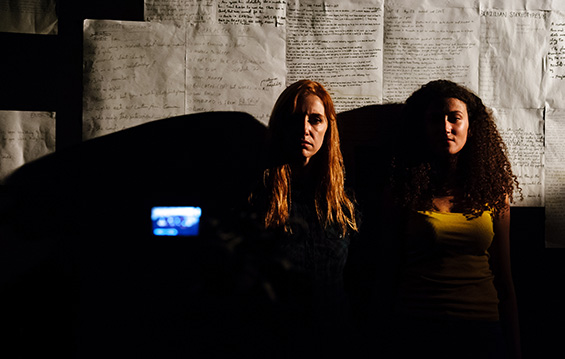
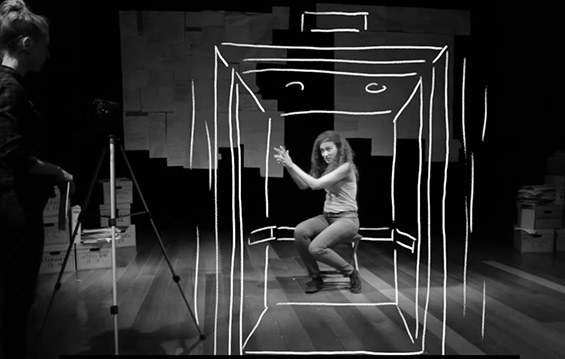
Verbatim Play - Efêmera (Footprint Productions)
Efêmera is a theatre production developed using data from the research project Transnational Violence Against Women. It brings to life the experiences of Brazilian women affected by gender-based violence, transforming research findings into a powerful and accessible narrative. Performed in theatres, festivals and conferences between Brazil and the UK
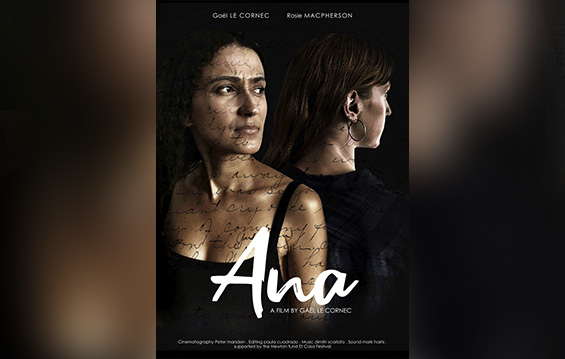
Short film - Ana (Footprint Productions)
Ana is a short film based on the theatre production Efêmera, developed using data from research on gender-based violence. It follows an encounter between a British filmmaker and a Brazilian woman, gradually revealing hidden experiences and personal stories. Drawing on interviews with women affected by violence, the film translates research into an intimate and compelling narrative. It highlights how creative storytelling can bring visibility to lived experiences and engage wider audiences
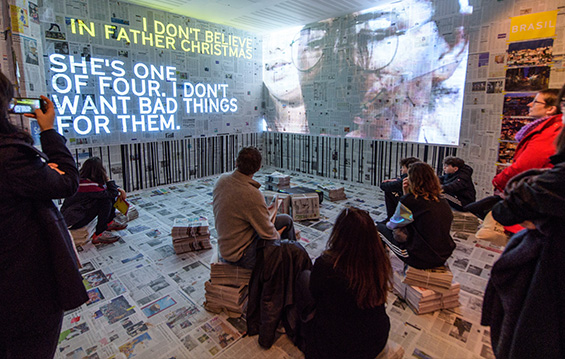
Audiovisual Installation SCAR, by Bia Lessa
SCAR is a multimedia installation presented at the Women of the World (WOW) Festival in London, based on testimonies from over 800 women living in Maré, Rio de Janeiro. Developed through collaborative research on gender-based violence, the piece brings together individual and collective experiences to highlight patterns of fear, resilience, and resistance. Created by artist Bia Lessa, the installation transforms research data into a powerful sensory experience. It demonstrates how creative practice can give visibility to lived experiences and foster dialogue on violence and inequality.
Social media short film: Raising awareness on violence against brazilian women
This video shares findings from a recent research on Violence Against Women and Girls among Brazilians in London. In a global context of around 1 in 3 women experiencing gender-based violence, this research explored the nature of this neglected issue from a range of perspectives. This inter-disciplinary project documented the experiences of women survivors of VAWG through surveys, testimonial interviews and focus group discussions as well as using a range of artistic practices through verbatim theatre, film and audio-visual installation work to highlight the importance and impact of this phenomenon. It shows not only alarmingly high rates of incidence but also the deep-seated negative effects of VAWG on women’s well-being. Video directed by Aida Baneres (aidabaneres.com) Animation by Francesca da Bassa Music by Cesc Fonoll"
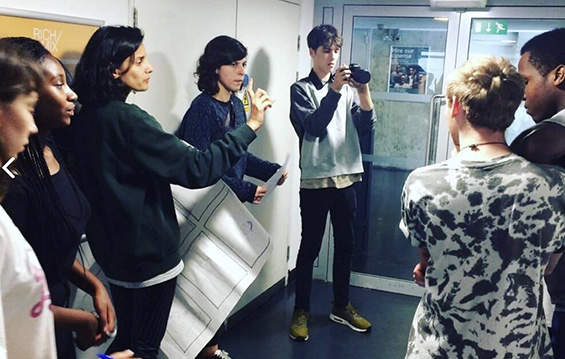
Drama/Film Workshops: Can we talk about it?
Can We Talk About It? is a short film created by young people from London as part of a week-long drama and film workshop during the Rich Mix Takeover Festival. Developed within research on gender-based violence, the project explores young people’s perspectives on relationships, including pressures, boundaries, and what makes them healthy or unhealthy. Through a participatory process, the group led all stages of production, from storytelling to filming and editing. The film demonstrates how creative methods can support young people to reflect on and express their experiences.
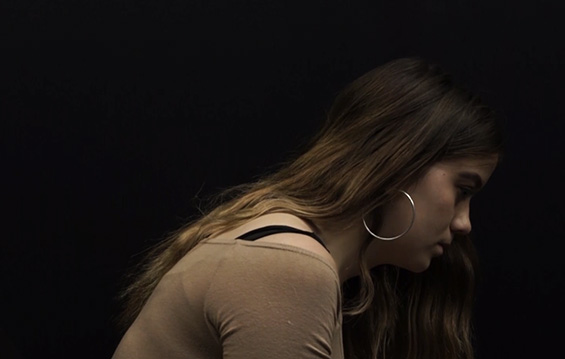
Short film: Can we talk about it?
Can We Talk About It? is a short film created by young people from East London through a week-long drama and film workshop. Developed as part of the Rich Mix Takeover Festival, the project explores youth relationships, pressures, and ideas of what makes a healthy relationship. Led through a participatory process, the young people were involved in all stages of production, from storytelling to filming and editing. The film highlights how creative practice can support young people to reflect on and express their lived experiences.
Step Up Migrant Women Campaign
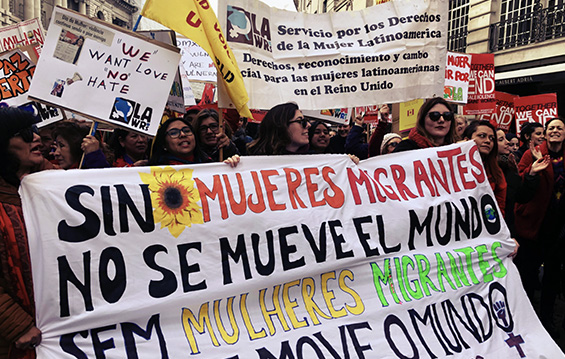
Advocacy campaigns and policy interventions
The Step Up Migrant Women campaign, led by the Latin American Women’s Rights Service, advocates for the rights of migrant women experiencing violence in the UK, particularly those with insecure immigration status. It calls for safe reporting mechanisms that separate access to support and justice from immigration enforcement. The campaign highlights how fear of detention or deportation prevents many women from reporting abuse, while perpetrators exploit immigration status as a tool of control.
Public campaigns (#StepUpMigrantWomen) -
The Step Up Migrant Women website is a platform that brings together research, survivor stories, resources, and advocacy materials focused on migrant women experiencing violence in the UK. It highlights the structural barriers faced by women with insecure immigration status and calls for safer, more inclusive systems of support. Through collective voices and evidence-based work, the site supports awareness, policy change, and action to protect migrant women’s rights
Podcast episode: Women Resisting Violence
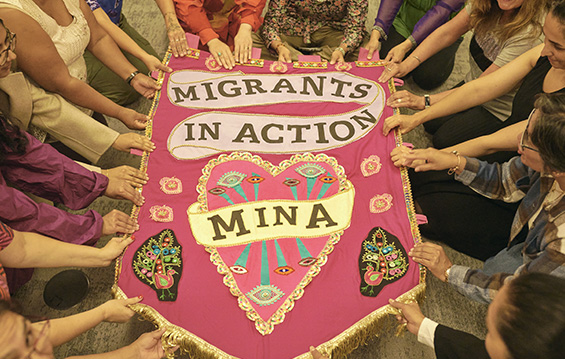
This piece shares Gil’s story, a Brazilian migrant woman in the UK who became undocumented and faced abuse, homelessness, and lack of support. Through the support of the Latin American Women’s Rights Service (LAWRS), she rebuilt her life and now advocates for migrant women through the Step Up Migrant Women campaign. The episode also highlights the work of Migrants in Action (MinA), which uses theatre to create safe spaces for migrant women to share experiences, heal, and build solidarity.
Resisting Violence, Creating Dignity: Negotiating Violence Against Women and Girls through Community History-Making in Rio de Janeiro
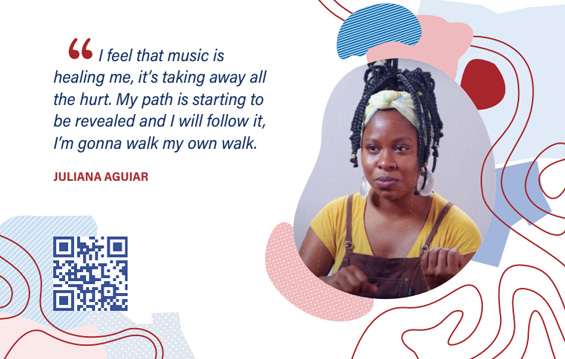
Museu da Pessoa (digital storytelling and films) and online exhibition (Women of Maré, Dignity, Resilience and the Arts)
The exhibition Resisting Violence, Creating Dignity presents the experiences of women living in the favelas of Maré, Rio de Janeiro, highlighting how they use the arts as a form of resistance through everyday practices of care, solidarity, and community action. The exhibition transforms these stories into a public, creative space for reflection, dialogue, and awareness.
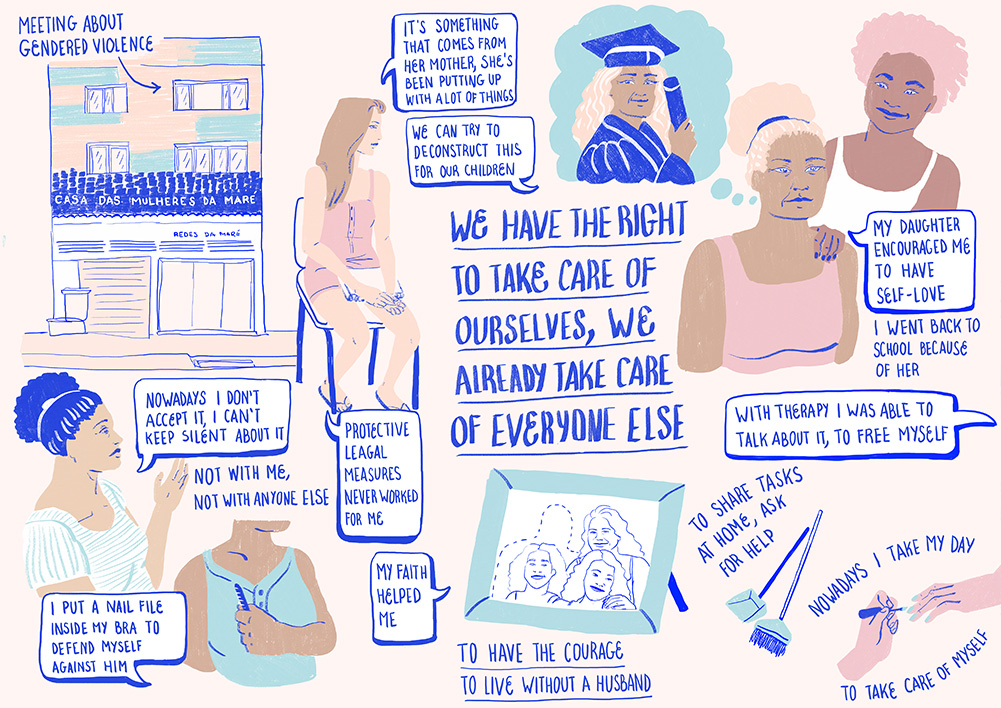
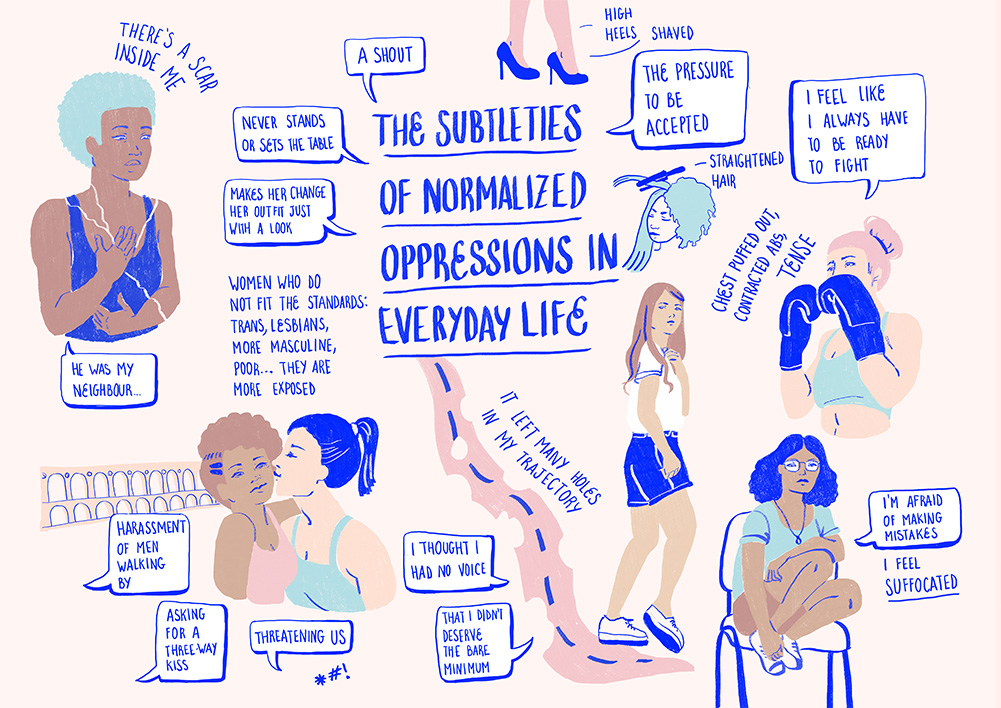
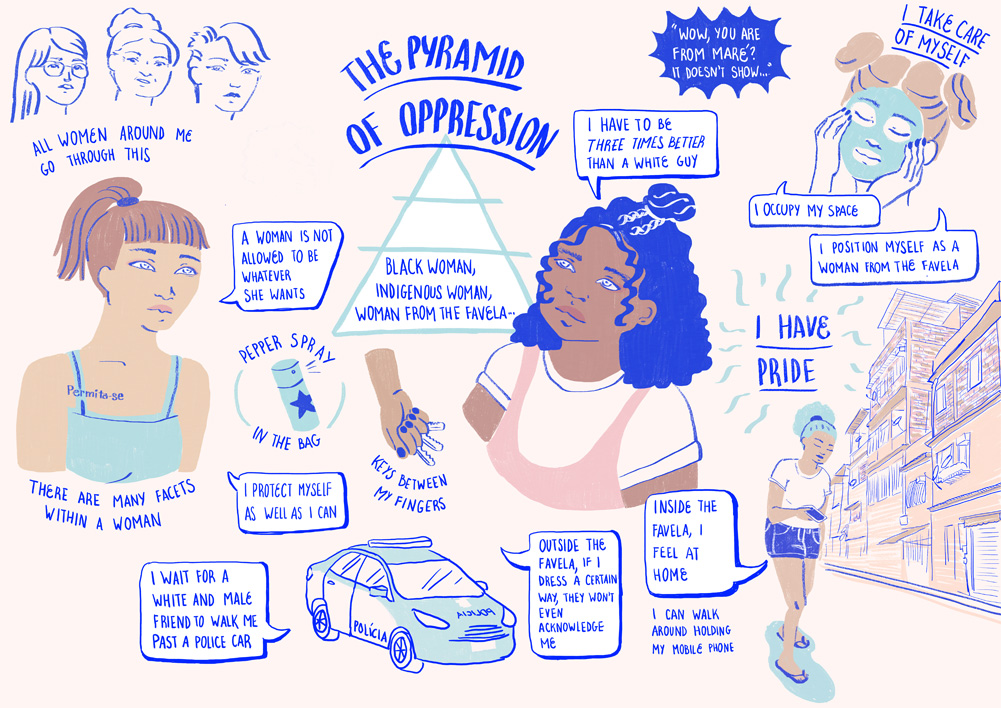
Observational drawing of focus groups (artist Mila de Choch)
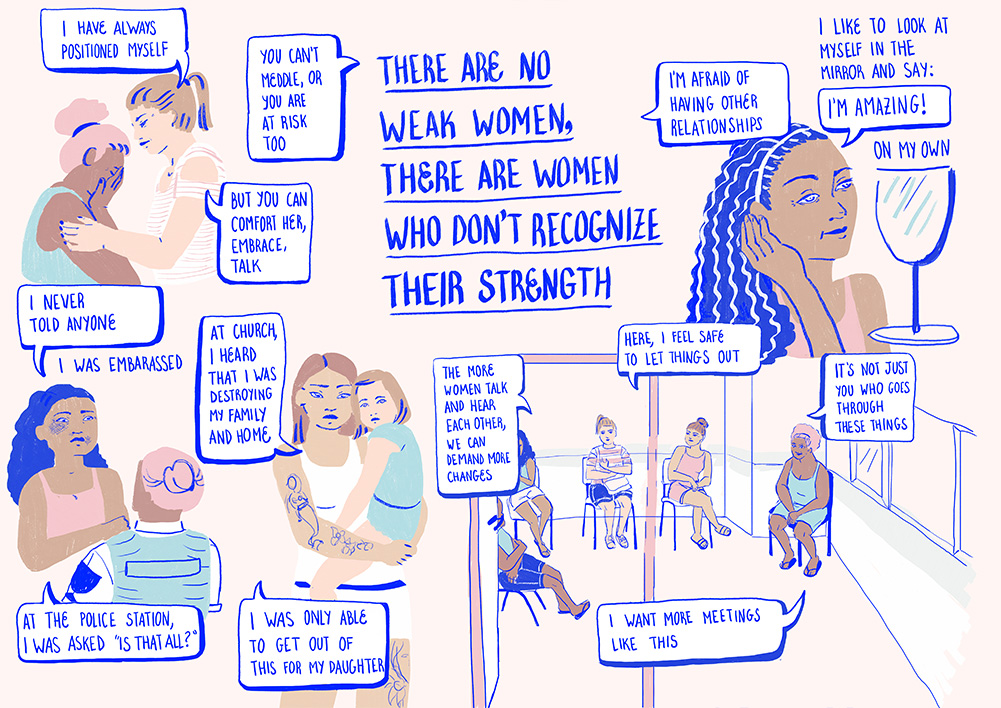
These four illustrations were created by artist Mila de Choch, who participated as an observer during the focus group sessions. Each illustration reflects the main themes explored, translating the women’s experiences, images, and discussions into visual narratives. Together, they transform the conversations into creative outputs that capture the essence of the sessions.
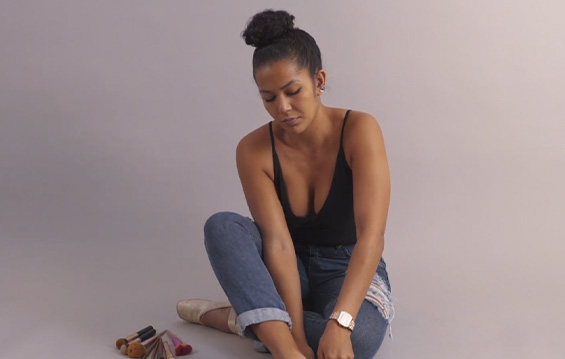
Short documentary: the role of the arts on resistance
This short film brings together stories of women from the favelas of Maré in Rio de Janeiro, exploring how art and culture become forms of resistance to gender-based urban violence. Through individual and collective narratives, it highlights how creative expression supports identity, memory, and community history-making. The film forms part of a wider research project on gender-based violence, developed in collaboration with academic and community partners.
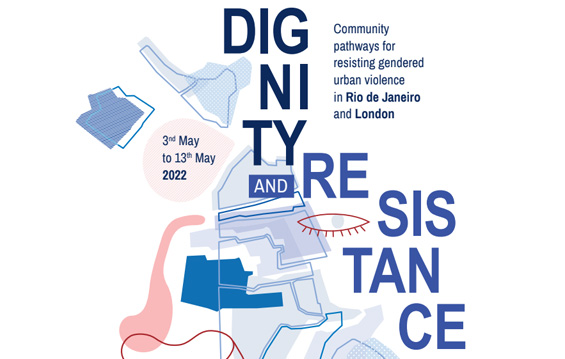
Audiovisual exhibition and booklet
Dignity and Resistance is a participatory exhibition and booklet that presents the voices and experiences of women living in the favelas of Maré, Rio de Janeiro and migrant women living in London. Through testimonies, images, and creative outputs, it highlights how women resist gender-based violence and build dignity through everyday practices of care, solidarity, and community action.
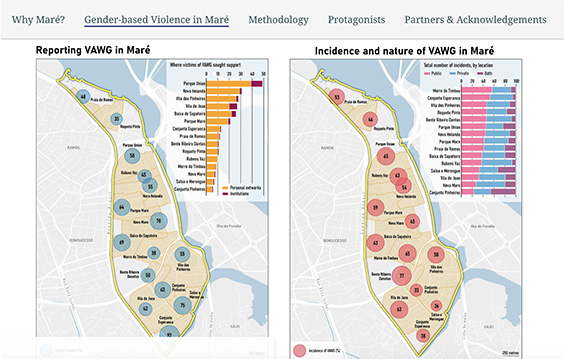
GIS mapping website
This interactive StoryMap presents research findings through a combination of maps, images, and narratives, offering an accessible way to explore formal and informal forms resistance agaisnt gender-based violence in the favelas of Maré, Rio de Janeiro. The platform demonstrates how digital storytelling can communicate complex research and engage wider audiences in reflection and dialogue.
We still fight in the dark
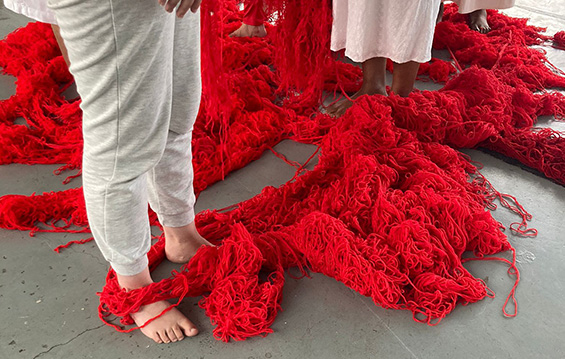
Audiovisual installation, live performance and film (We Still Fight in the Dark)
We Still Fight in the Dark is an audiovisual performance/installation developed in response to the research We Can’t Fight in the Dark (2016–2018), which examined gender-based violence experienced by Brazilian migrant women in London. Drawing on this research, Migrants in Action collaborated with a group of Brazilian women through creative arts workshops to produce a collective response highlighting these experiences.
All of Us: Imaging Resistance among Migrant Women, as part of the Visual and Embodied Methodologies Network
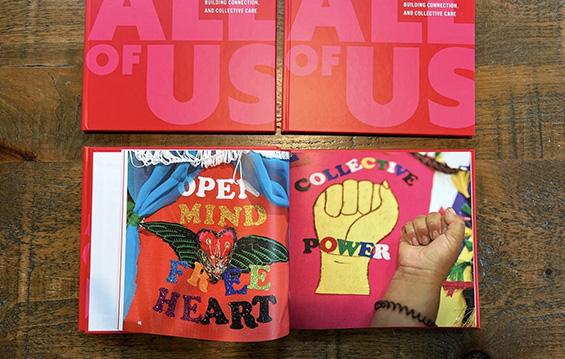
Book ALL OF US
All of Us is a book that brings together the voices, images, and lived experiences of 22 migrant and migrant-heritage women from across the Global Majority living in London. Developed through participatory and embodied arts practices, it explores themes of migration, belonging, care, and joy as resistance. Blending storytelling, photography, and creative expression, the book offers a collective reflection on connection, resilience, and everyday acts of solidarity.
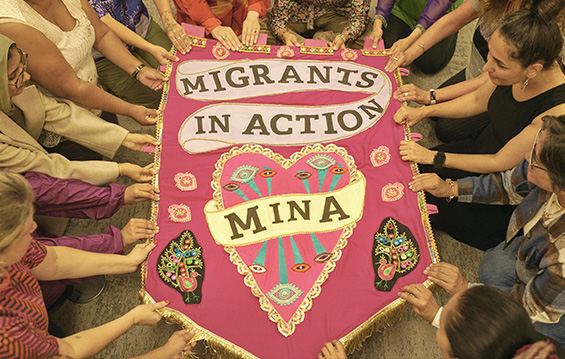
Large scale collective banners
These three large-scale banners were collectively produced by migrant women who participated as co-creators in the All of Us and Imaging Resistance workshops. The banners weave together stories and narratives developed during the sessions, later finalised in collaboration with artists. The banner-making workshops were led by artist Jane Thakoordin, who brought together and stitched the individual cut-outs into the final pieces.
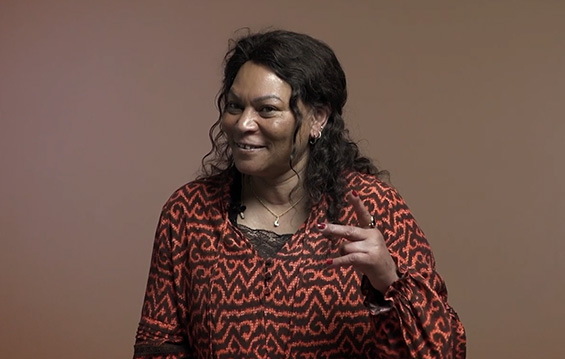
Social media video serie: Imaging Resistance (All of Us)
In this short films serie migrant women from across the Global Majority share their names, roots, and journeys. Through storytelling, reflection, and creative practice, they explore belonging, strength, and connection across different languages, cultures, and experiences.
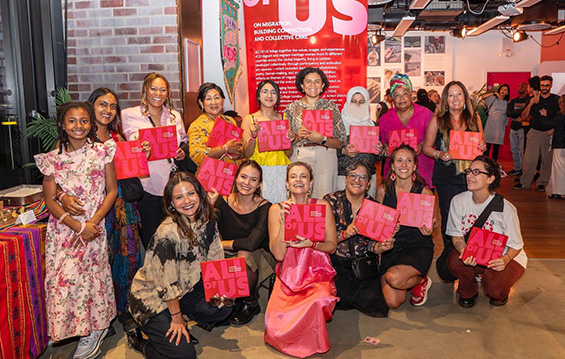
Exhibition ALL OF US (Brixton House)
All of Us is an exhibition presented at Brixton House bringing together the voices, images, and experiences of 22 migrant and migrant-heritage women living in London. Developed through participatory and embodied arts practices, it explores themes of migration, belonging, care, and joy as resistance. During the event, peer-researchers also performed to an audience of over 100 people. Photos by Ellie Kurttz
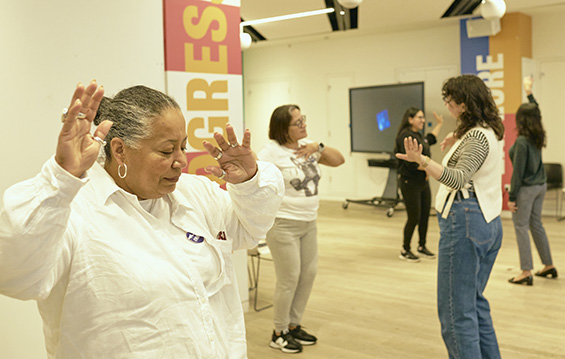
Podcast episode - Arts Cabinet
This article and podcast explores the Imaging Resistance project, reflecting on how creative and participatory methods can support collective resistance to gendered violence. Through conversation and shared insights, it highlights the role of art, collaboration, and lived experience in building solidarity and generating new forms of knowledge and activism.
Arts Cabinet article 2
This article explores how migrant and migrant-heritage women move from experiences of “unbelonging” towards what the authors define as “radical connection”. Drawing on participatory, arts-based research, it shows how collective care, creativity, and shared experiences foster connection, solidarity, and resistance to gendered violence. The article argues that these connections, both local and transnational, enable women to challenge marginalisation and build new forms of activism and belonging
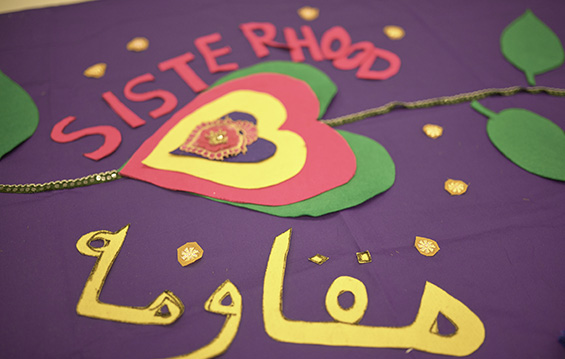
Arts Cabinet articles 3
This creative article presents the concept of “empathy-driven solidarity” as a methodological approach developed through participatory arts-based workshops with migrant women. It shows how combining visual, embodied, and creative methods, such as theatre, storytelling, and photovoice, can transform individual experiences of gendered violence into collective care, connection, and resistance. The article argues that these processes enable women to move from being positioned as victims to becoming active agents, fostering solidarity across diverse backgrounds and generating new forms of knowledge and activism.
Tackling Gendered Violence Transnationally
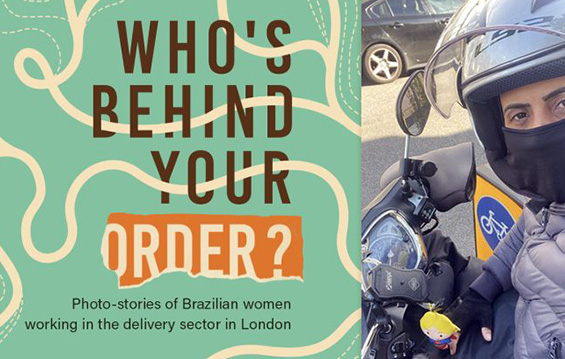
Who’s Behind Your Order? (photostory exhibition and booklet)
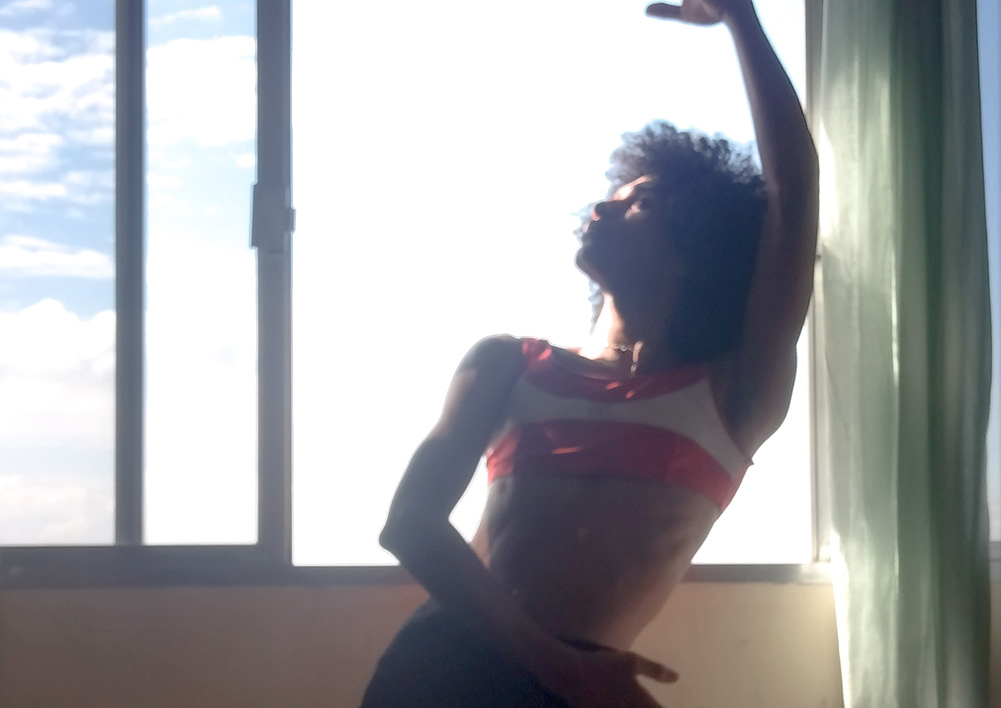
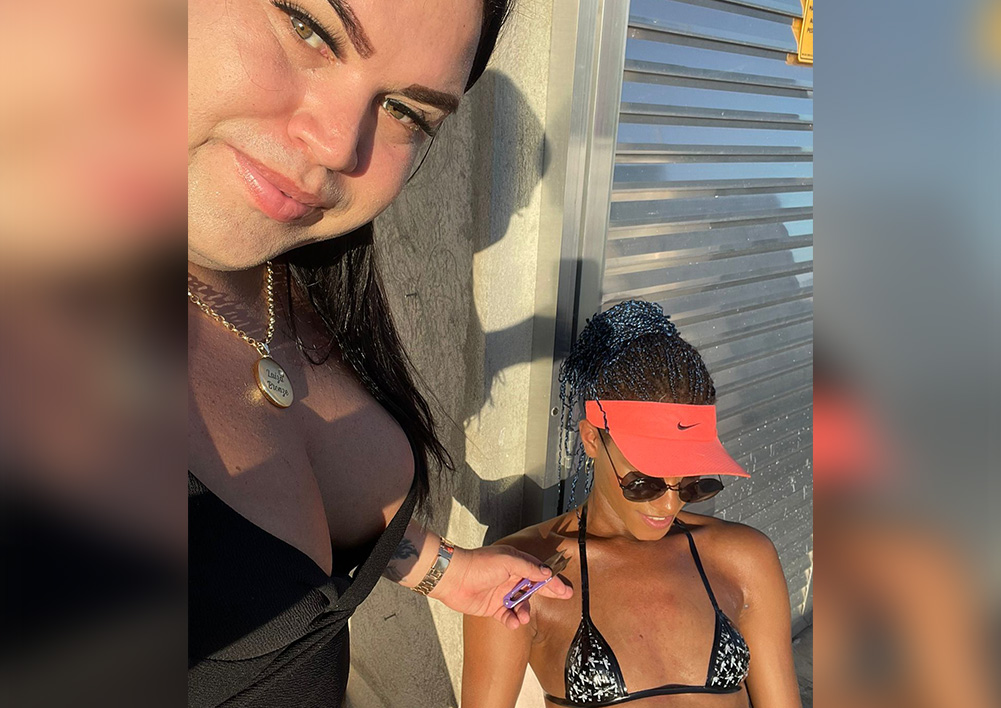
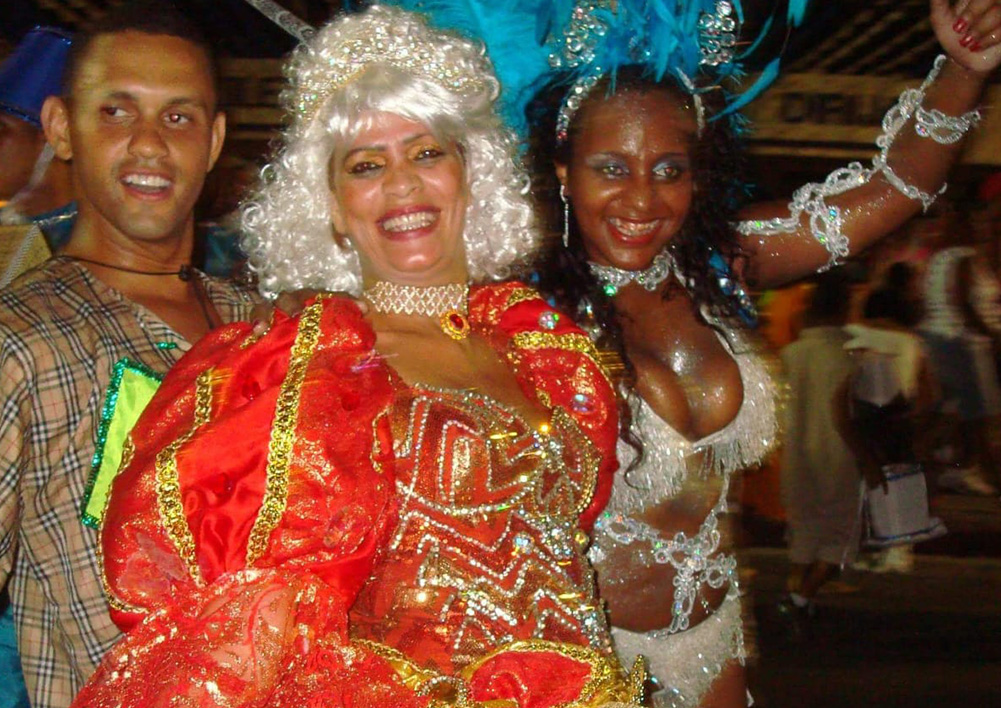
Who’s Behind Your Order? is a photostory exhibition and creative project developed with Brazilian migrant women working in the delivery sector in London. Using photography and storytelling, it highlights the intersecting challenges of gender, race, and immigration status, while also showing how delivery work can provide financial autonomy. The project centres women’s own voices and experiences, offering a powerful reflection on labour, vulnerability, and resilience.
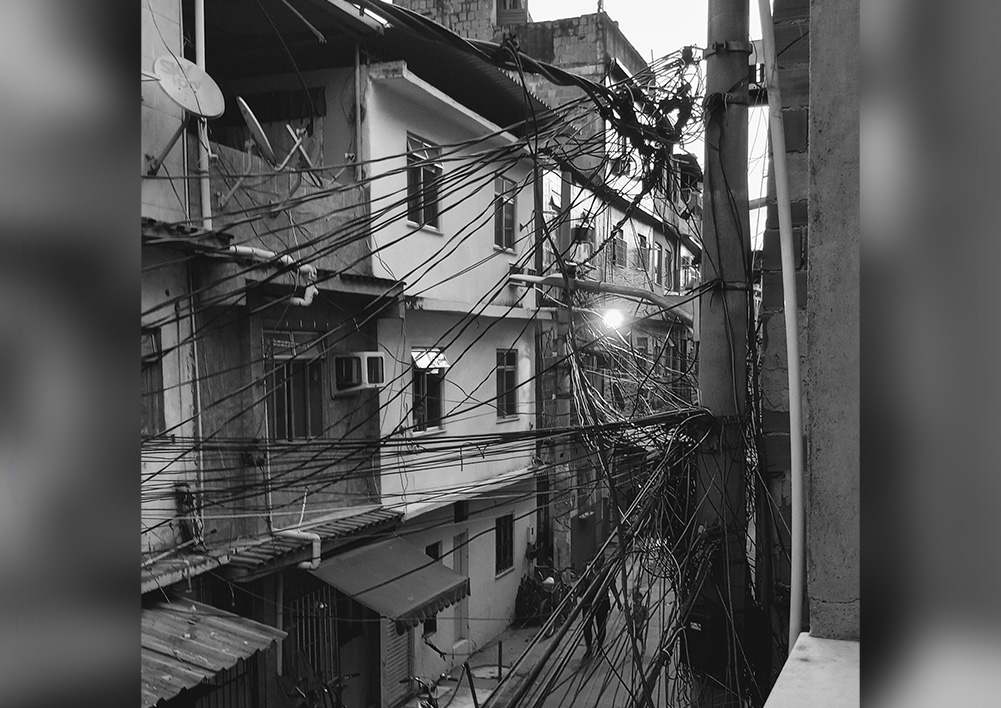
Brick by Brick exhibition (Brazil)
Brick by Brick: Constructions and Legacies of Women of Maré is a photovoice exhibition developed with 11 women from Maré in Rio de Janeiro. Through photography and storytelling, the project explores women’s relationships with work, memory, and everyday life, highlighting both personal journeys and collective experiences. The exhibition amplifies women’s voices across generations, revealing how their lives, struggles, and dreams are shaped within the social fabric of the favela.
FAYB - Feminist activism among youth in Brazil
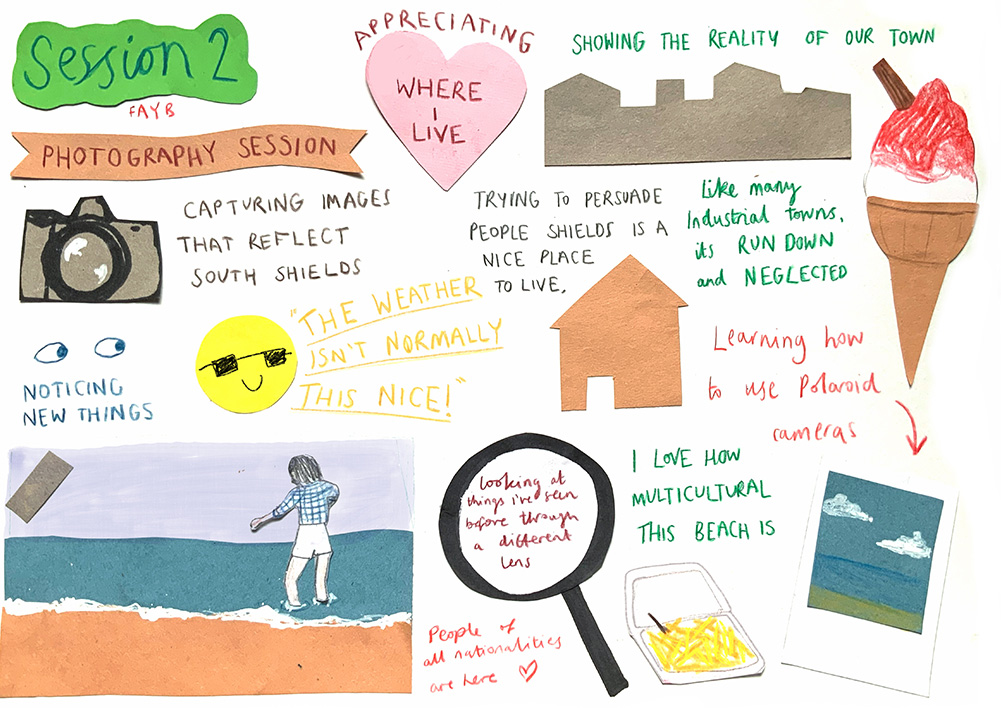
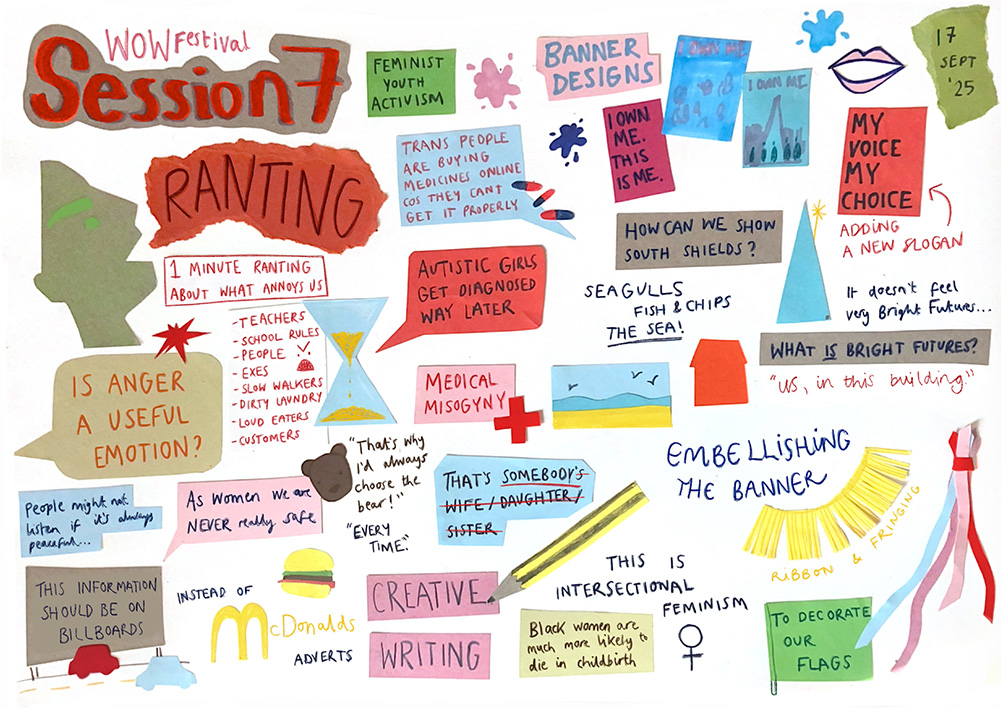
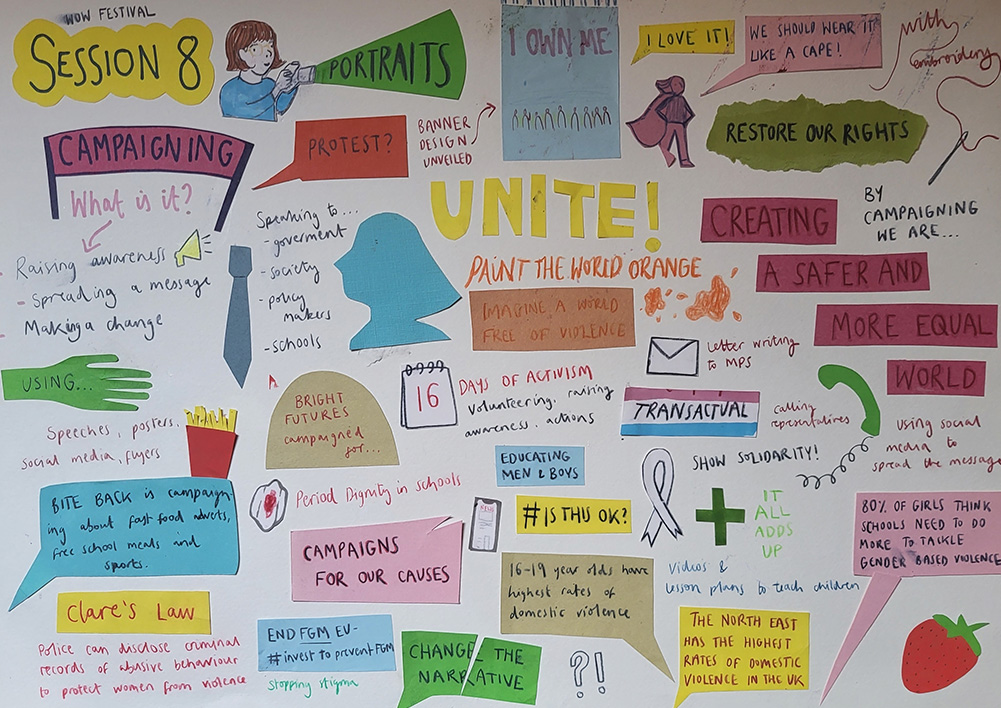
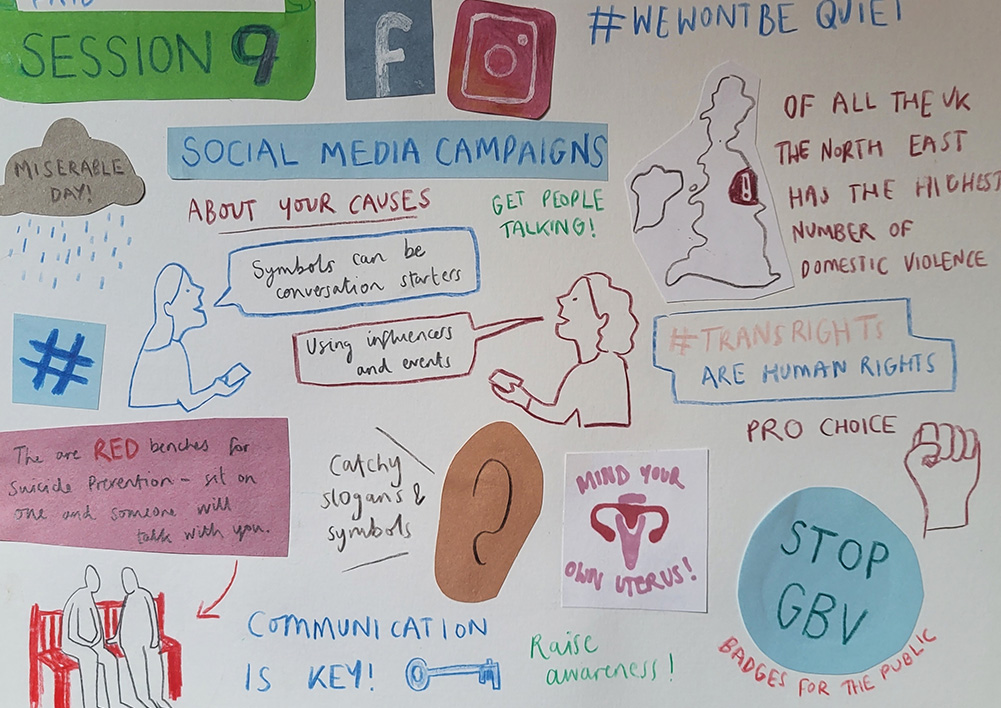
Visual minutes (UK)
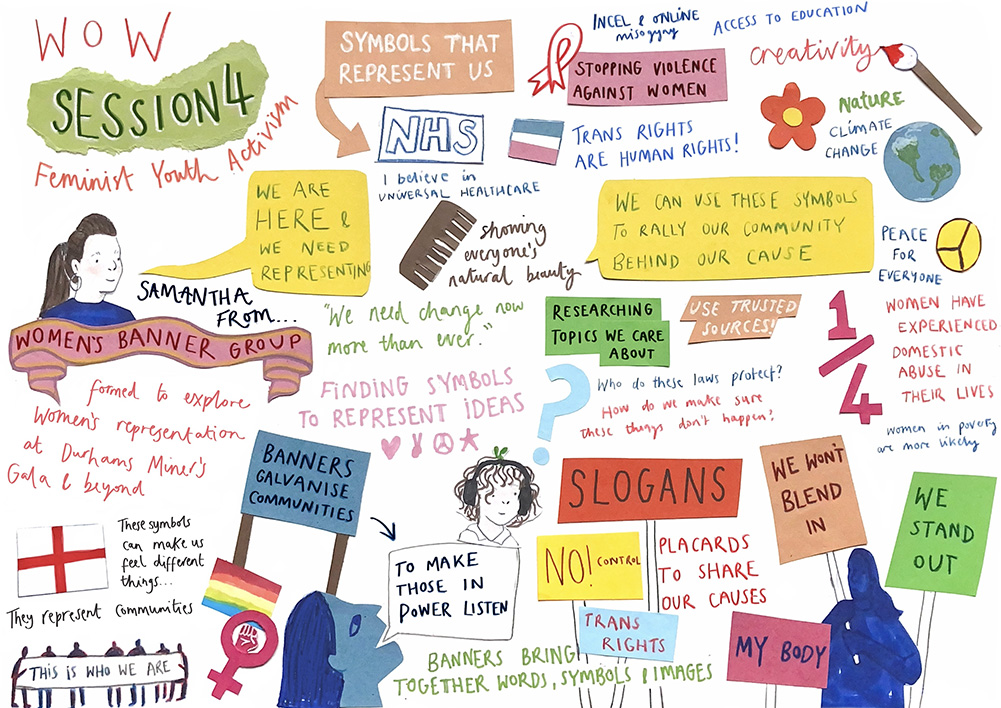
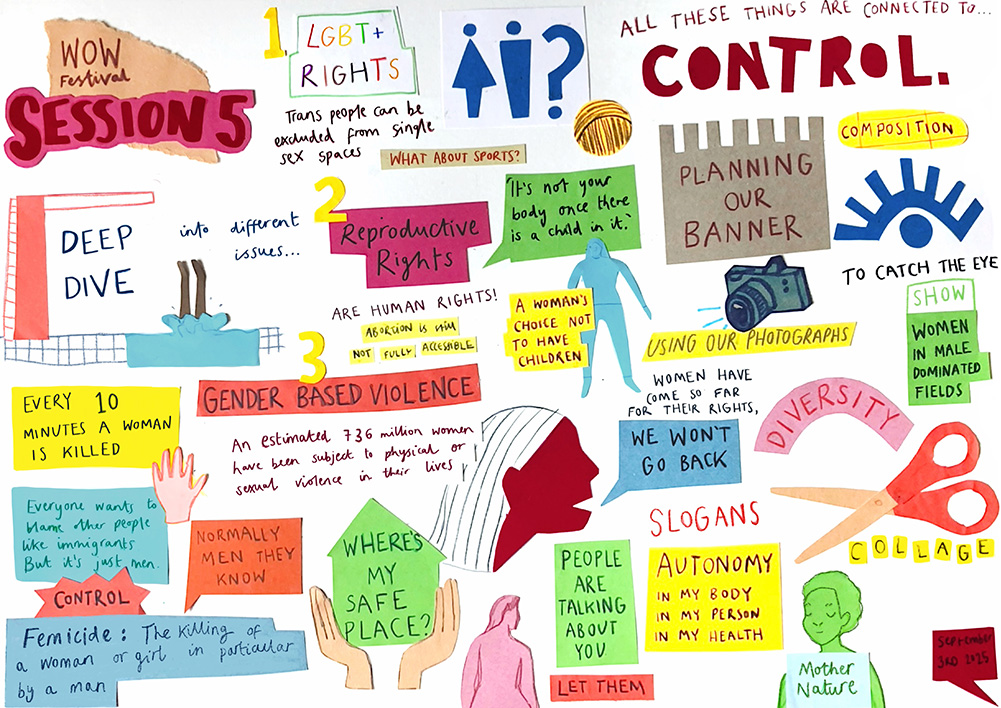
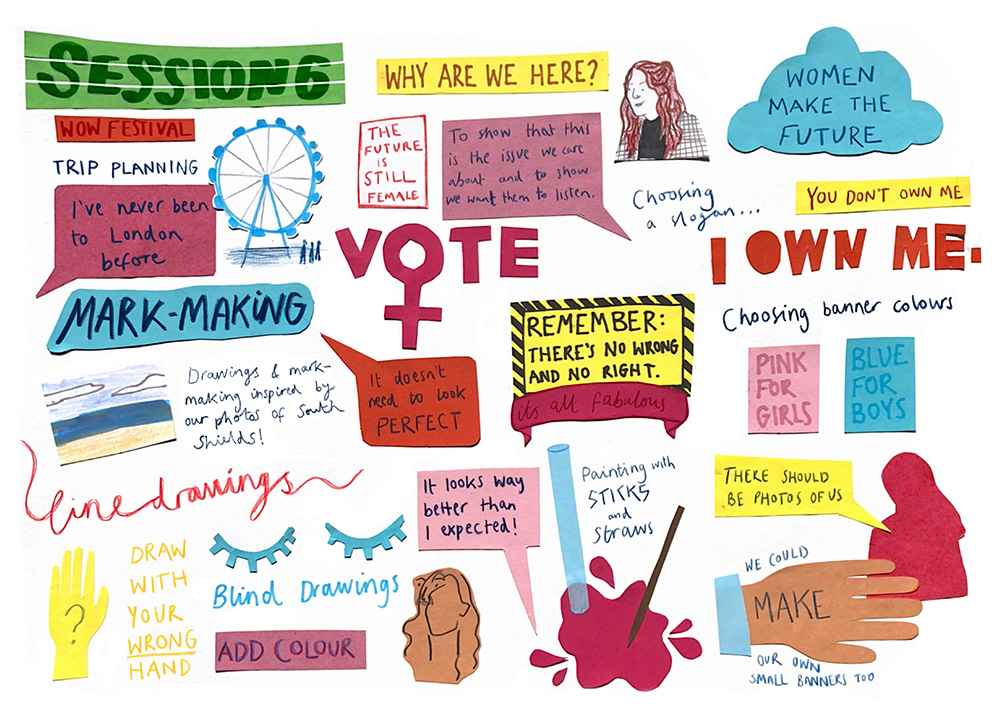
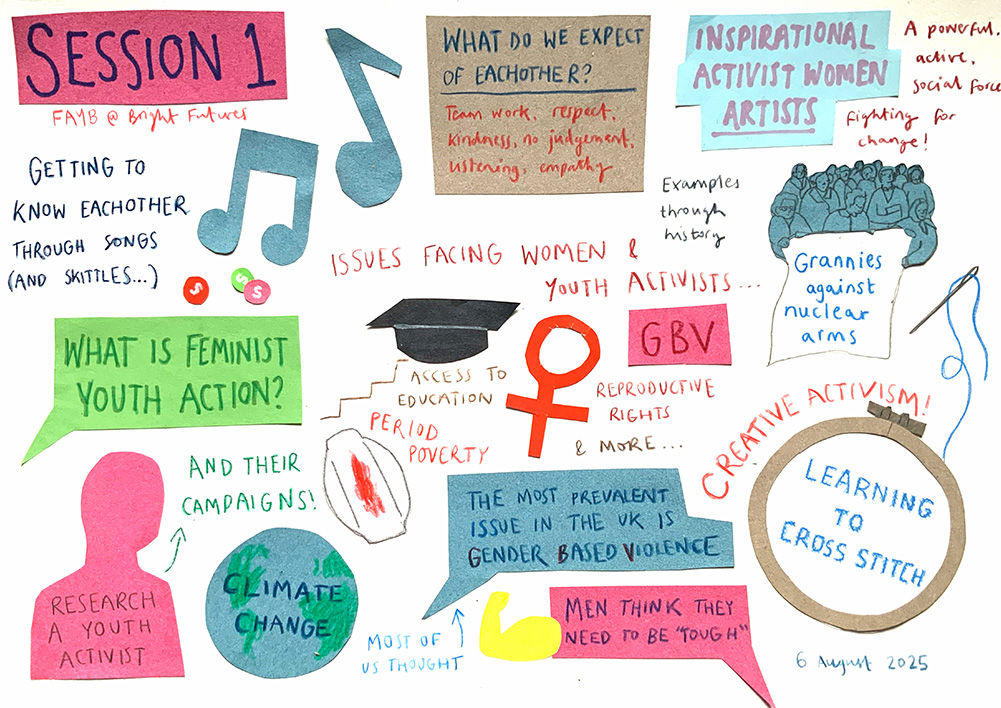
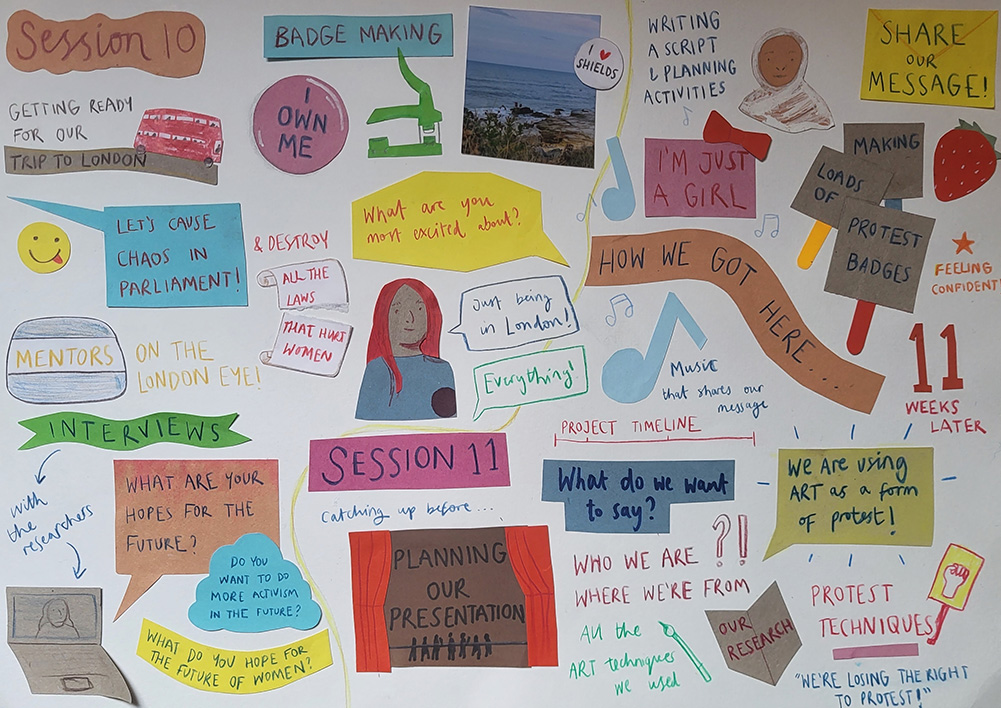
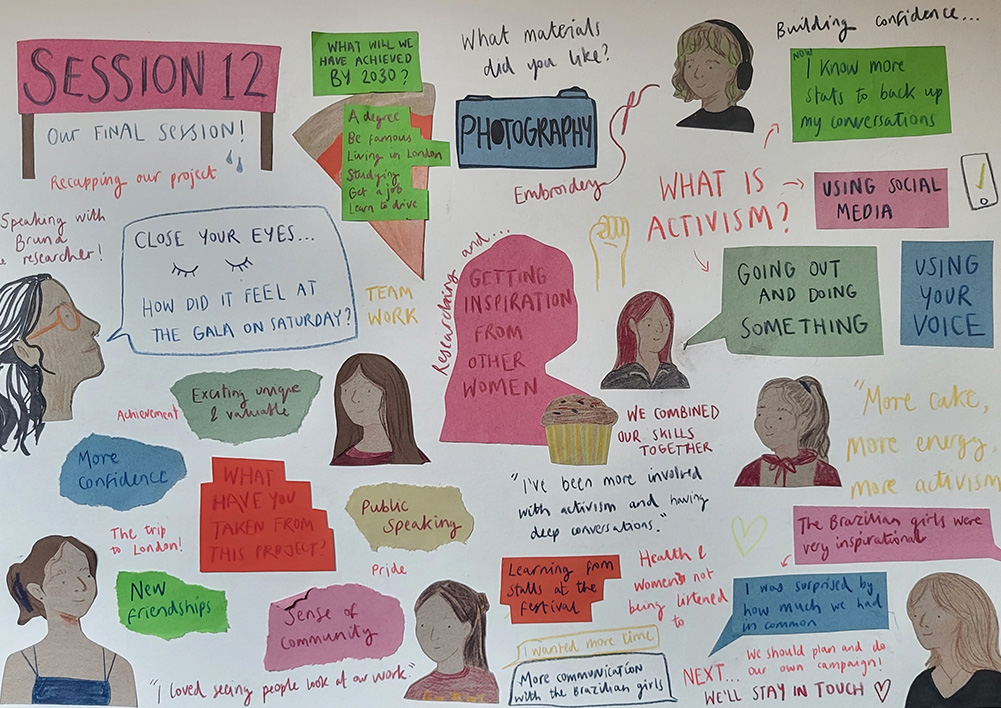
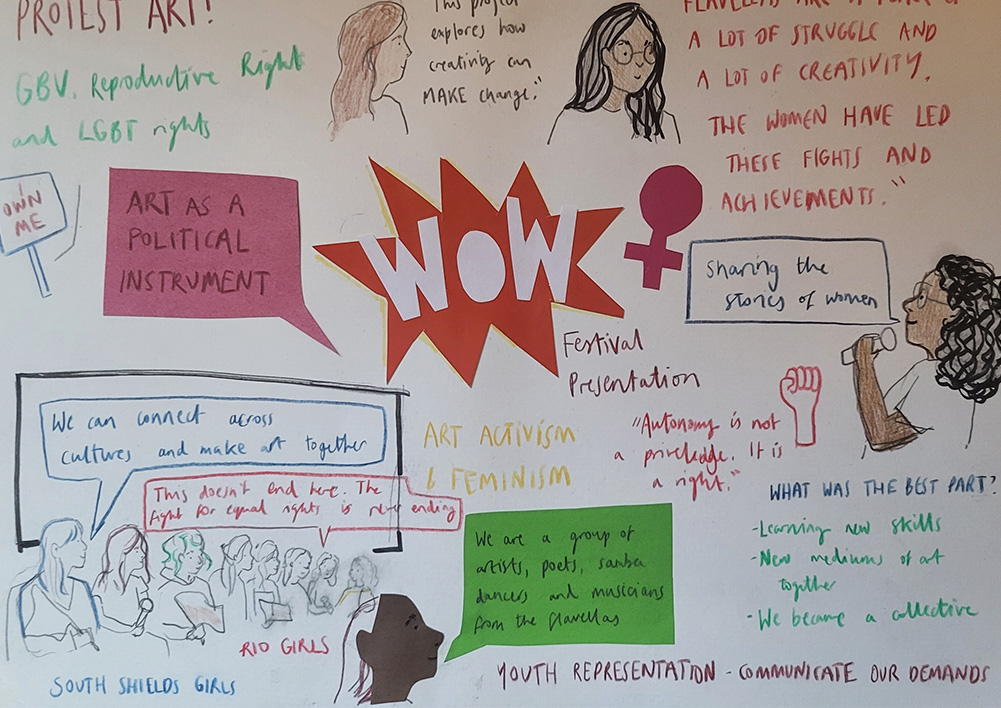
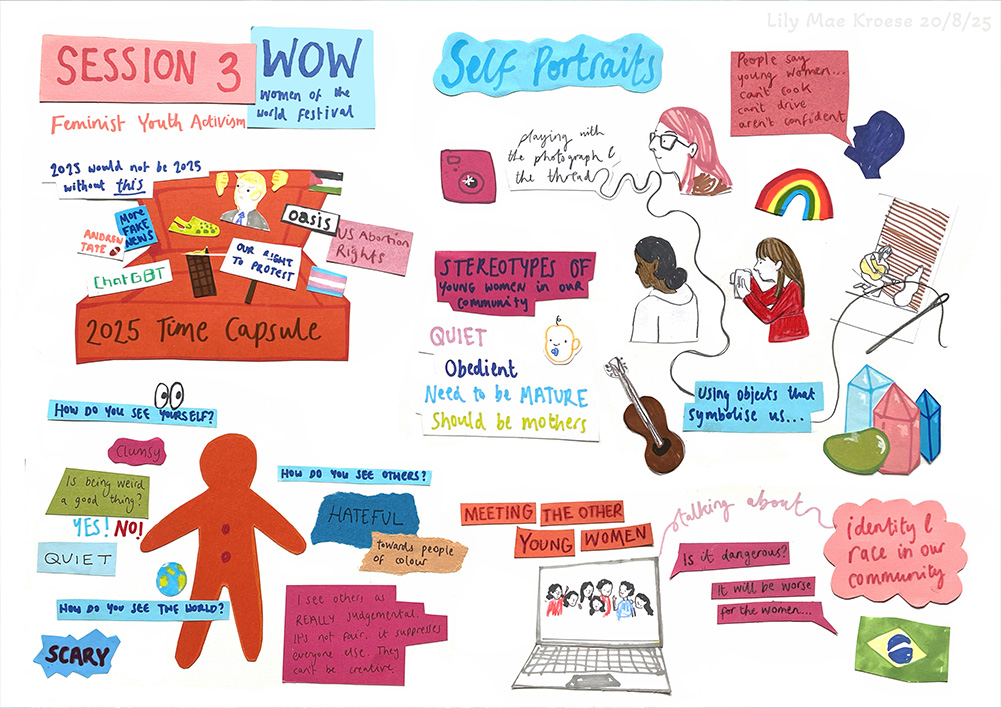
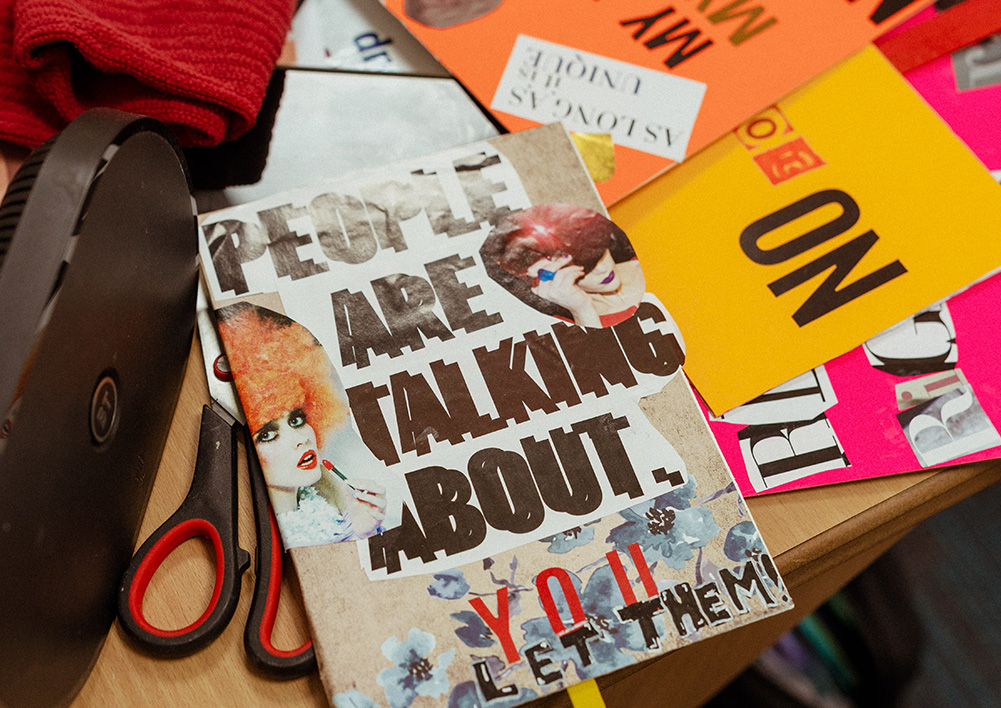
These visual minutes document key moments, discussions and reflections from the FAYB workshops held in South Shields. Created through live illustration and visual storytelling, they capture participants’ ideas, experiences and collective learning, offering a creative and accessible record of the workshops and their themes around youth, gender and activism.
Banners (UK)
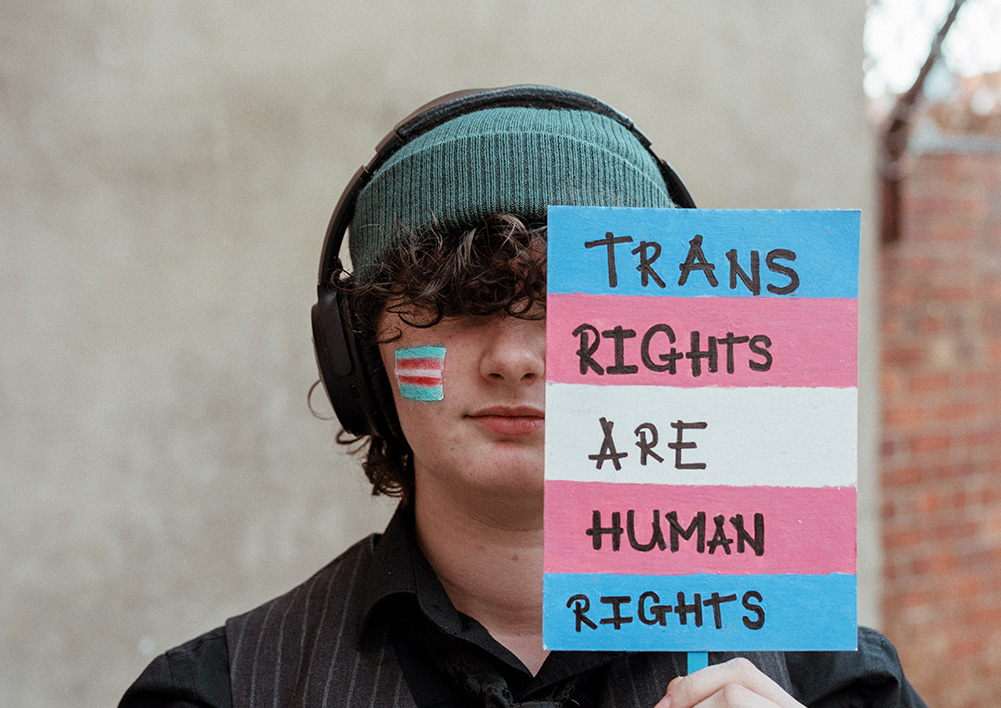
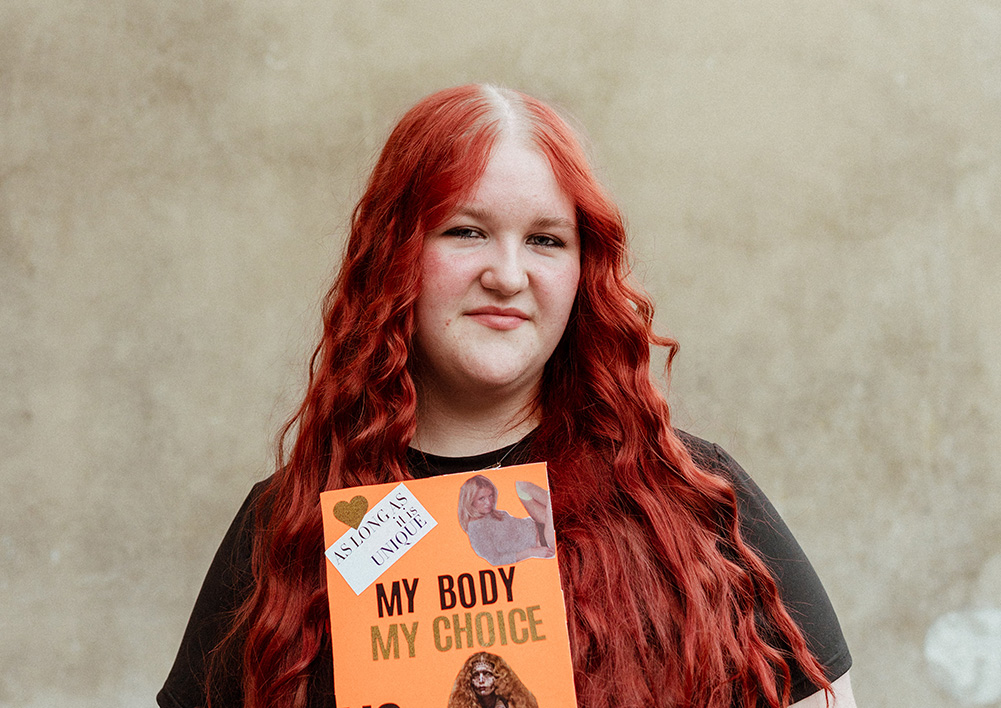
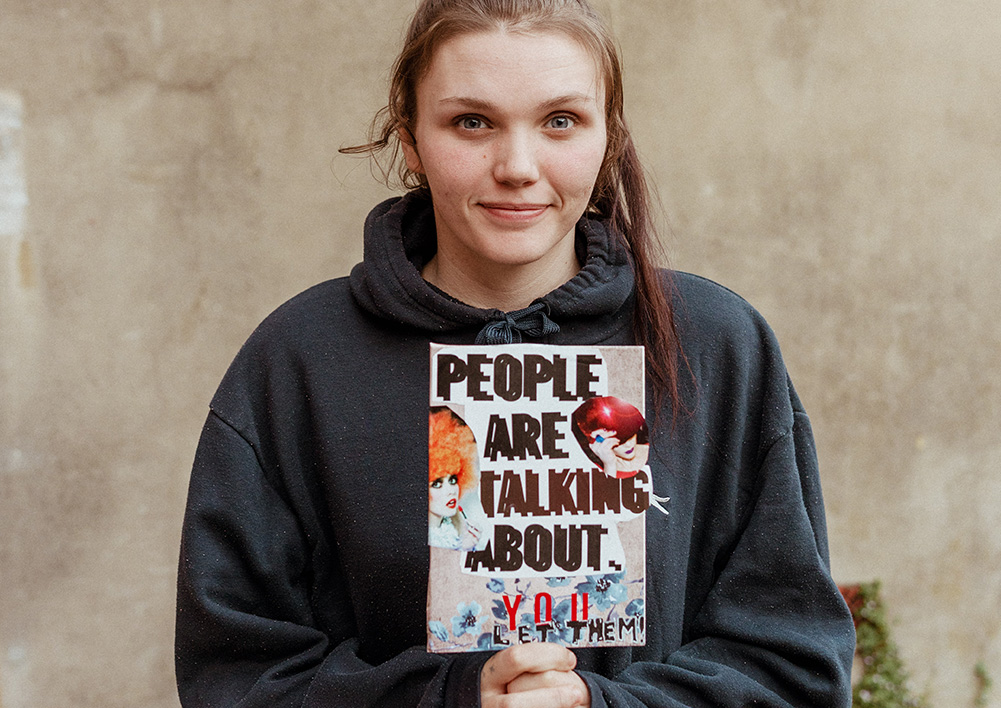
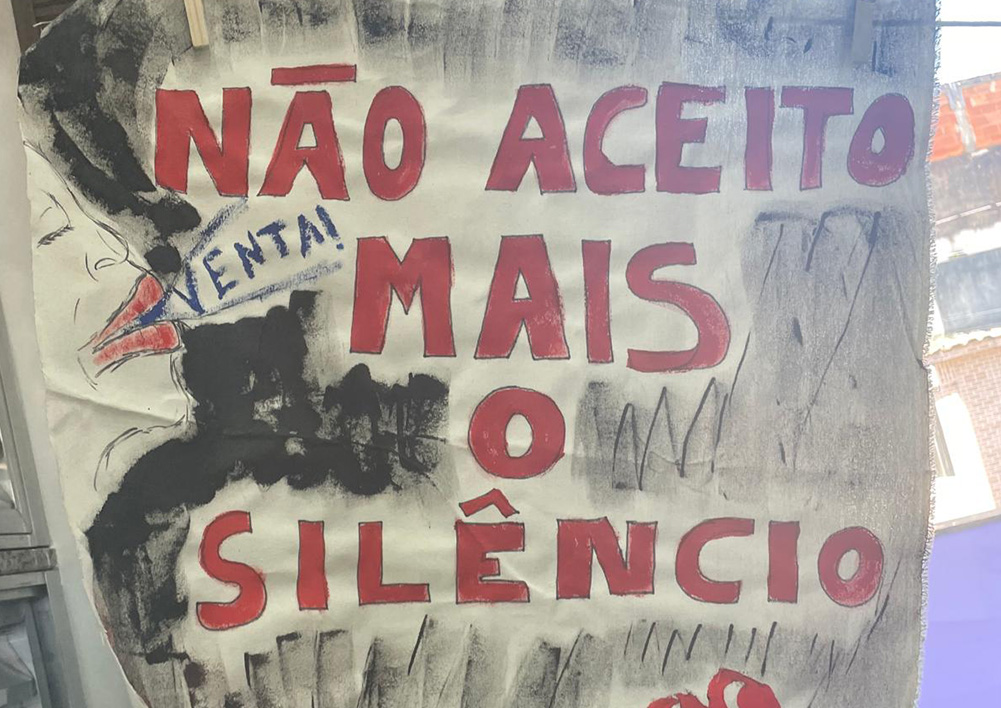
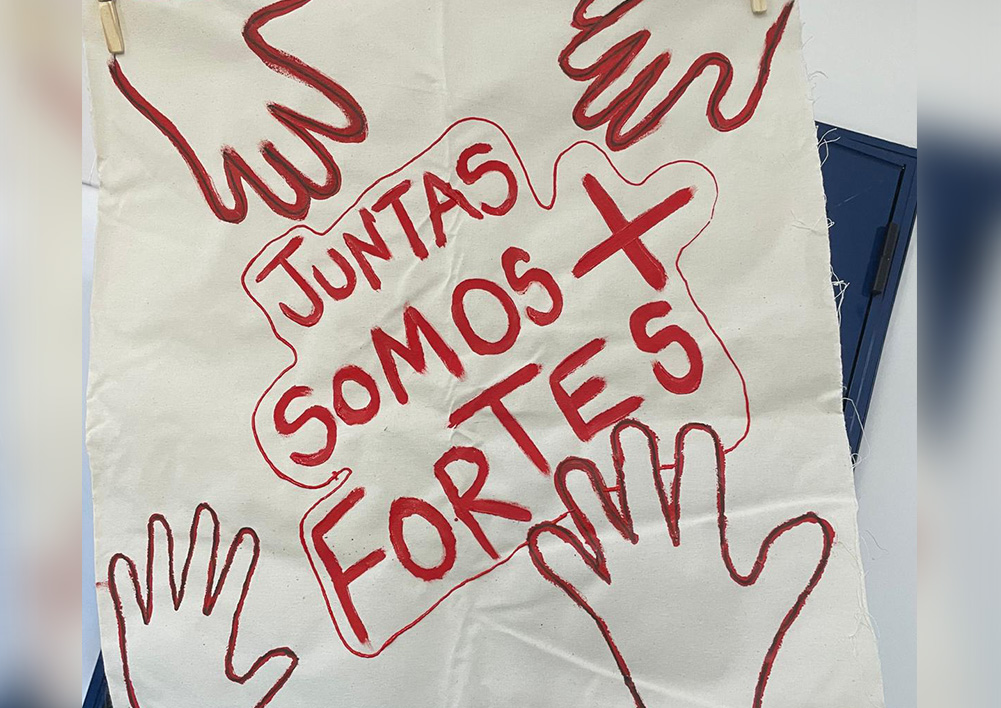
These banners were co-created by young women in South Shields as part of the FAYB project, using participatory and creative methods to express their experiences, identities and perspectives, transforming personal and shared stories into powerful visual statements of youth activism, gender, and resistance. Photos by Amelia Read
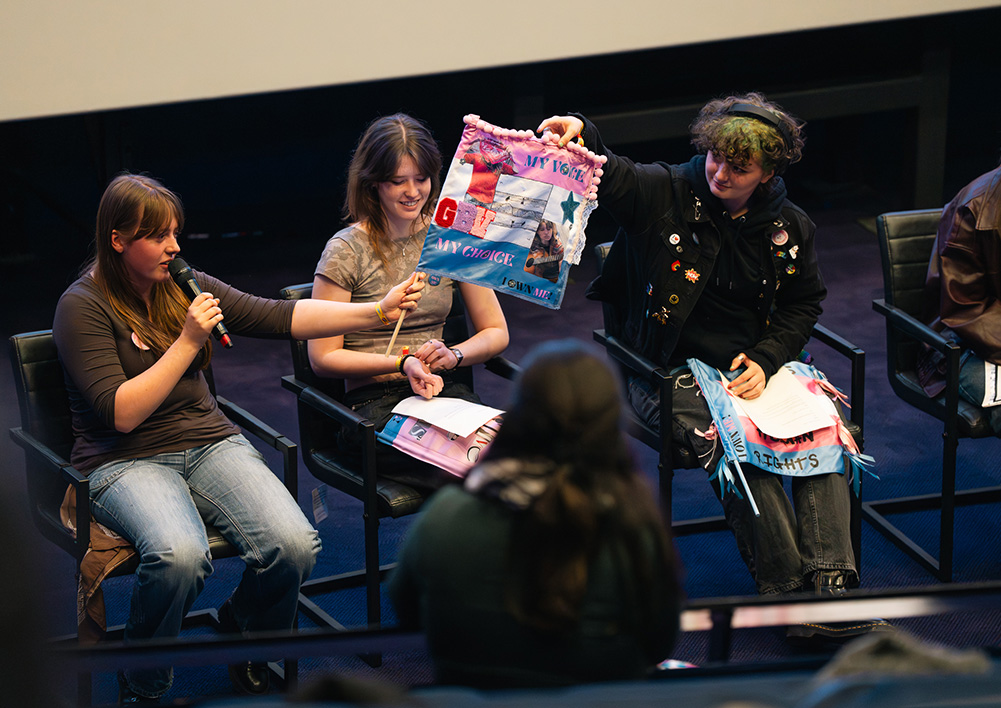
Panels and workshops at WOW Festivals curated by young women
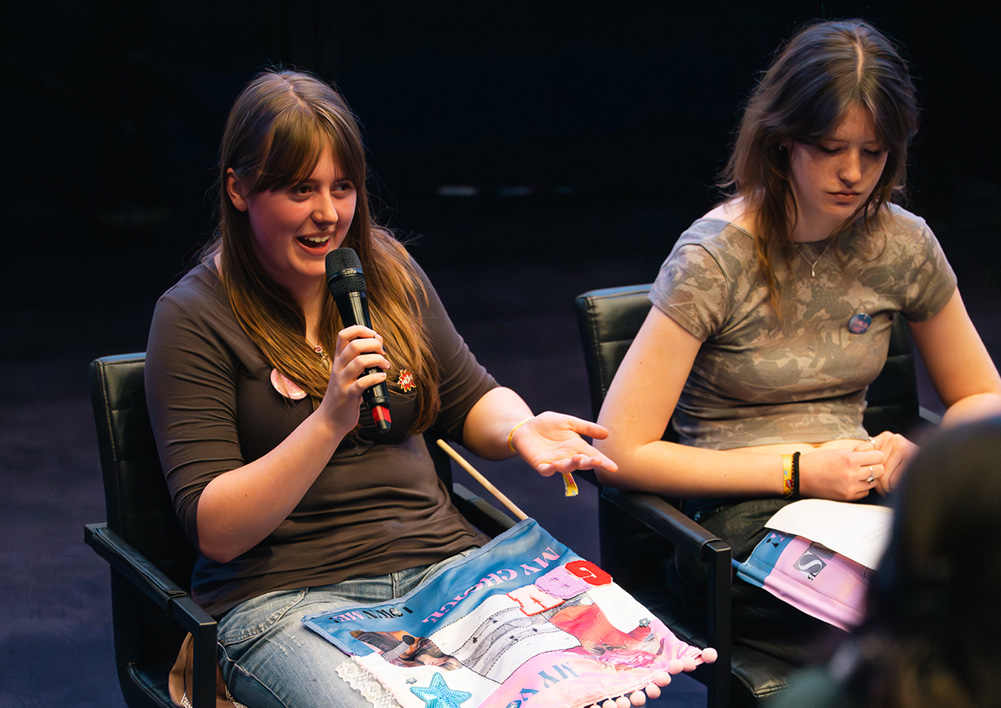
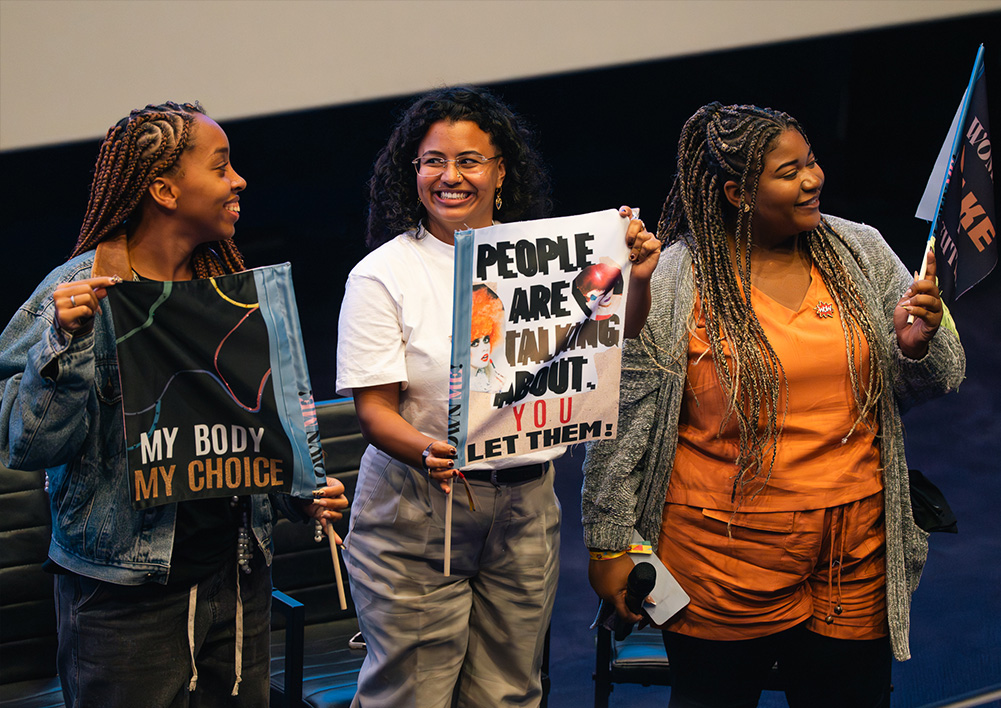
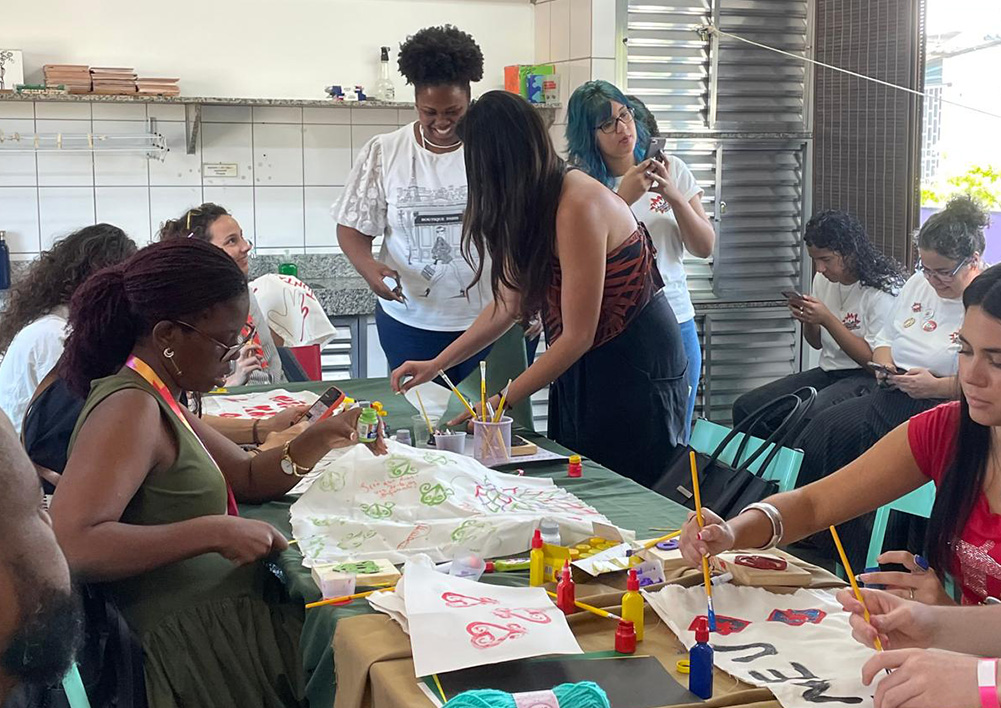
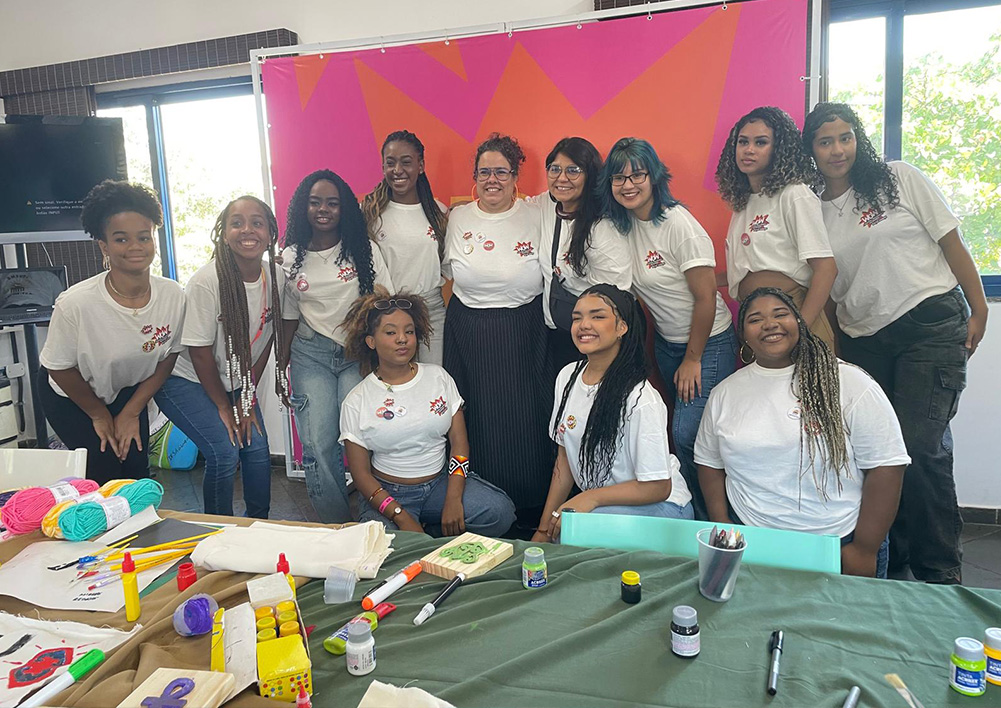
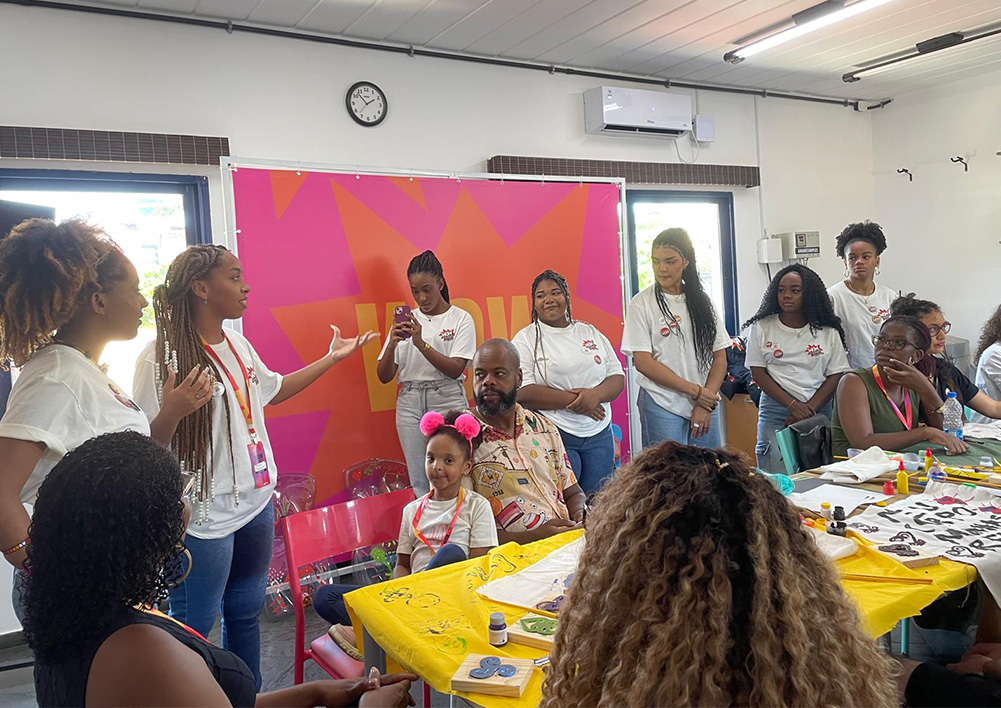
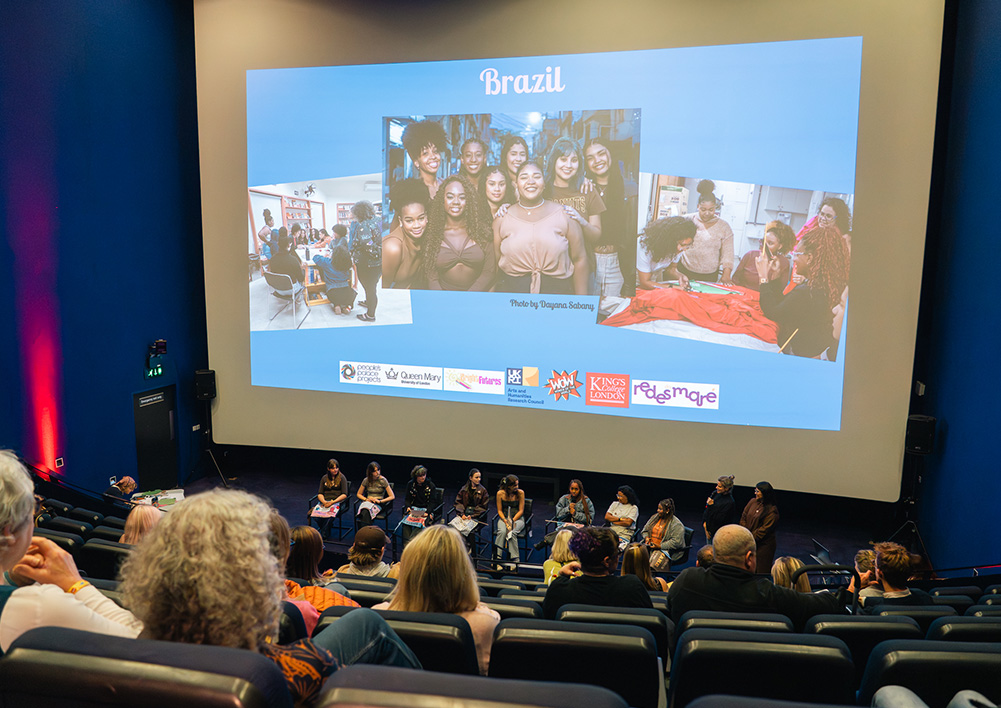
As part of the public programme of the International Festivals WOW in Durham and WOW in Favelas of Maré, Rio de Janeiro, the young women curated and led panels and sessions they developed themselves, sharing their experiences in the FABE programme and exploring key issues around youth and feminism.
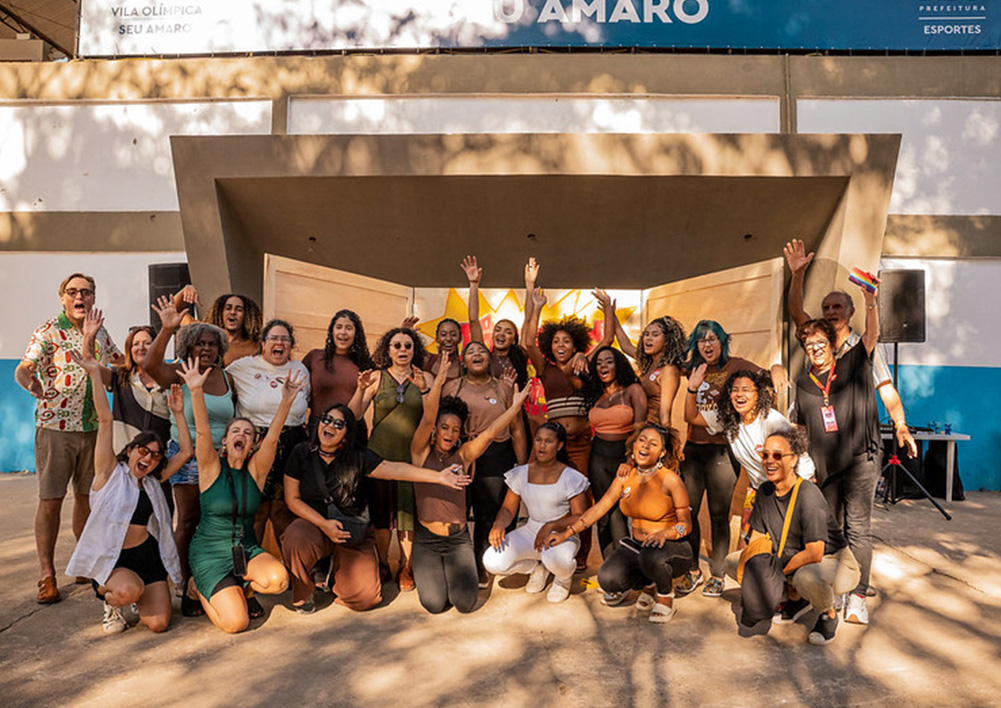
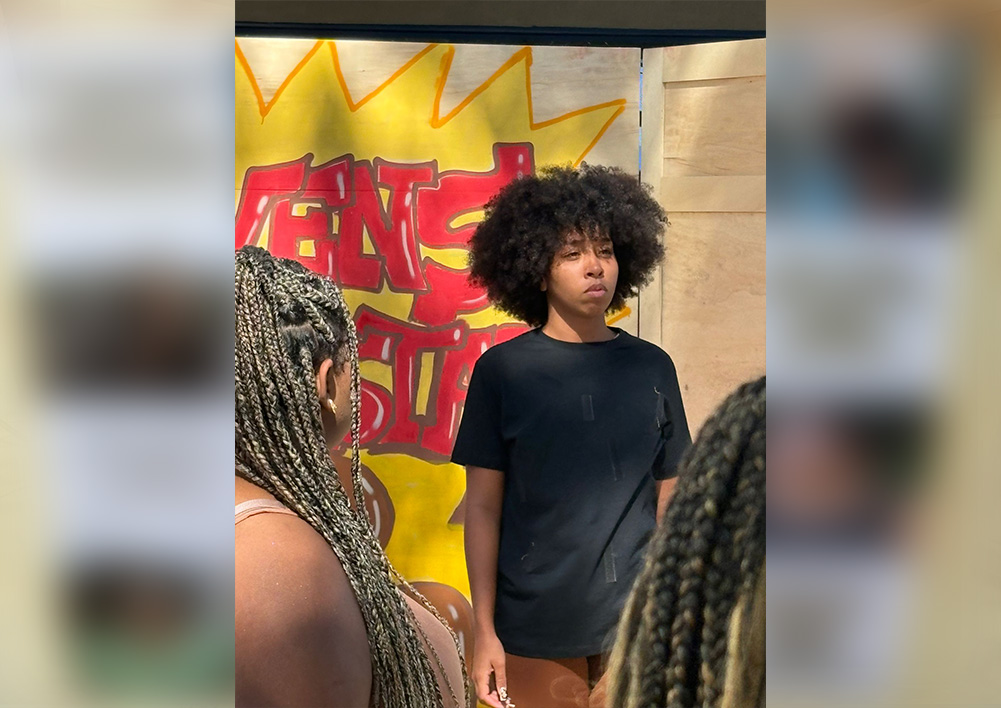
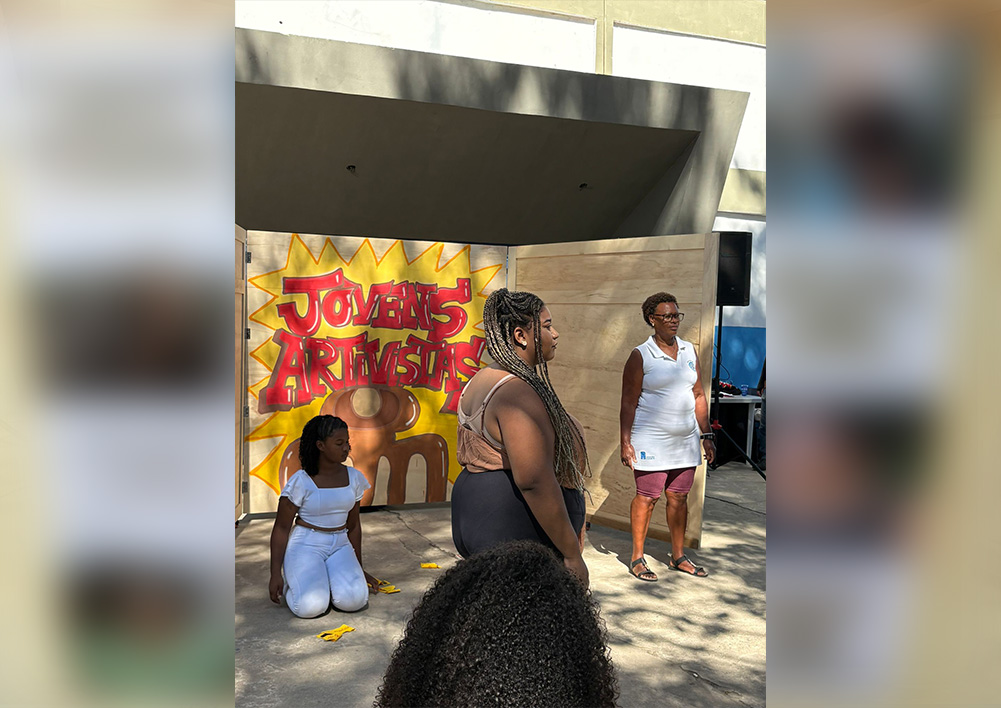
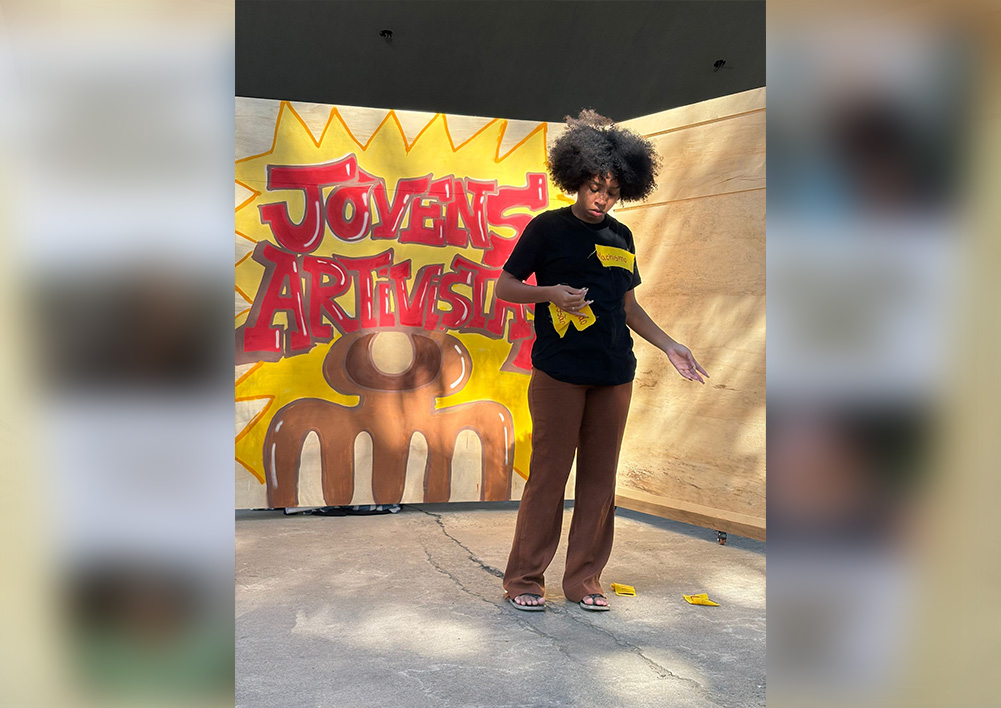
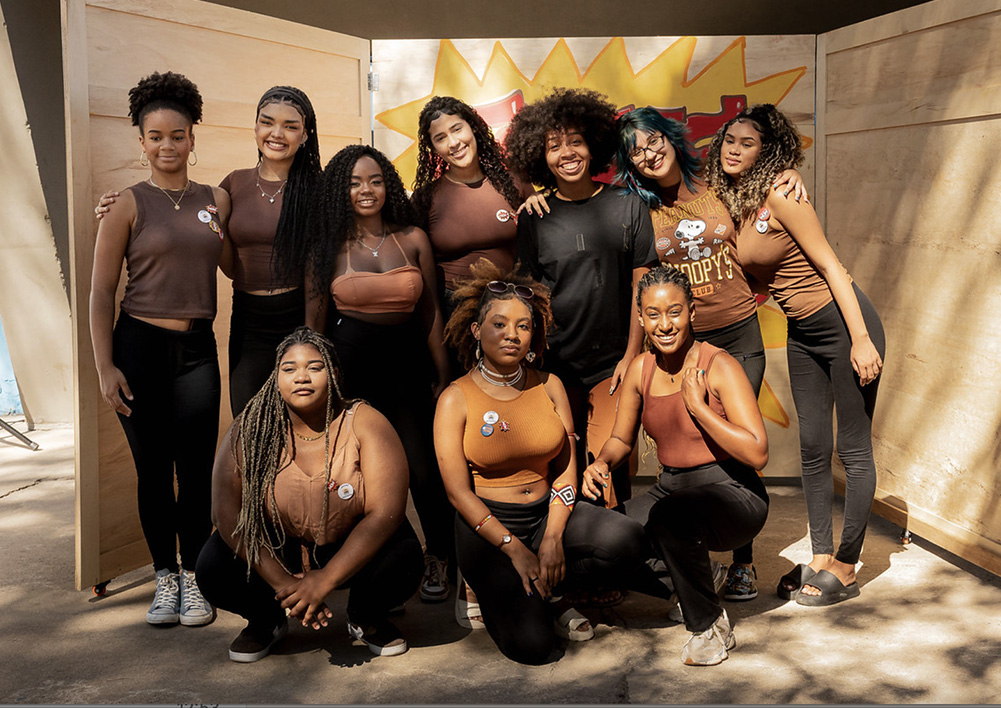
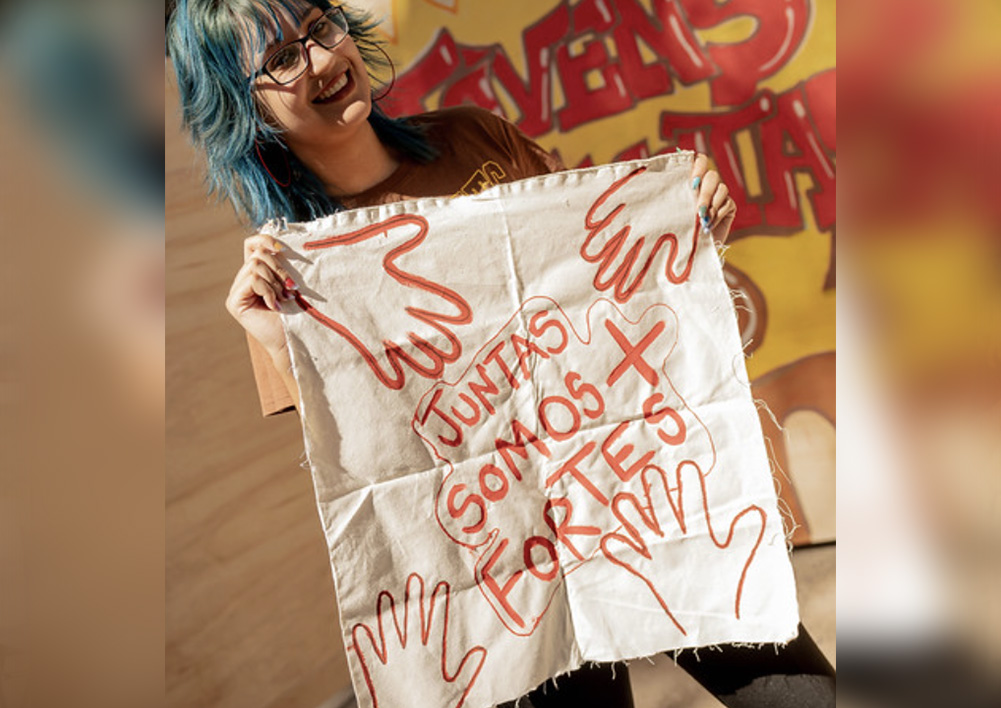
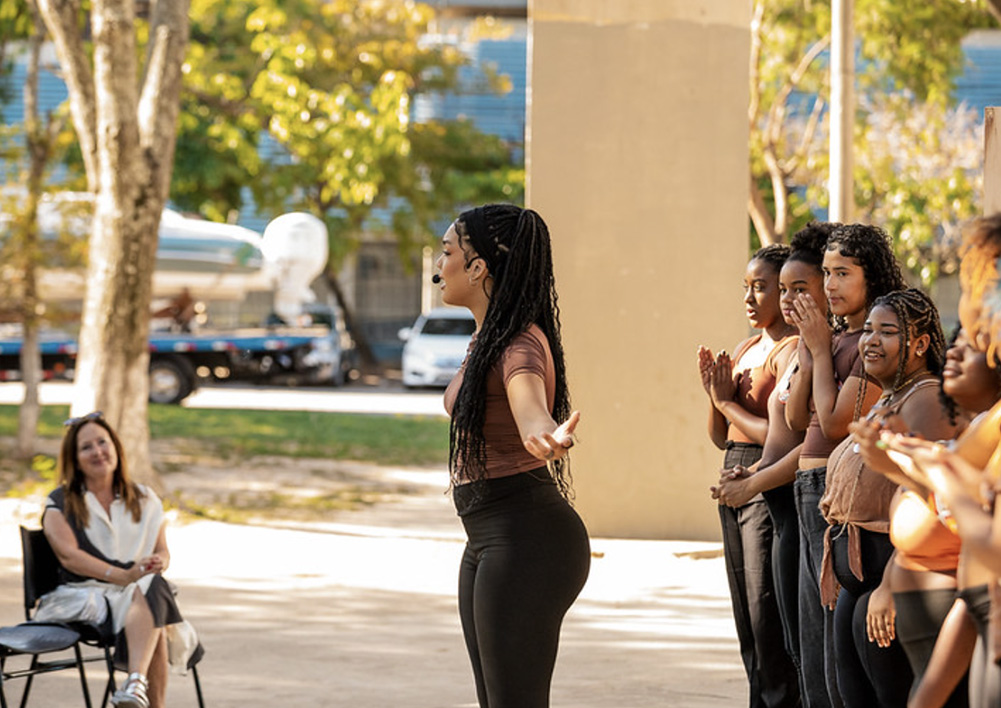
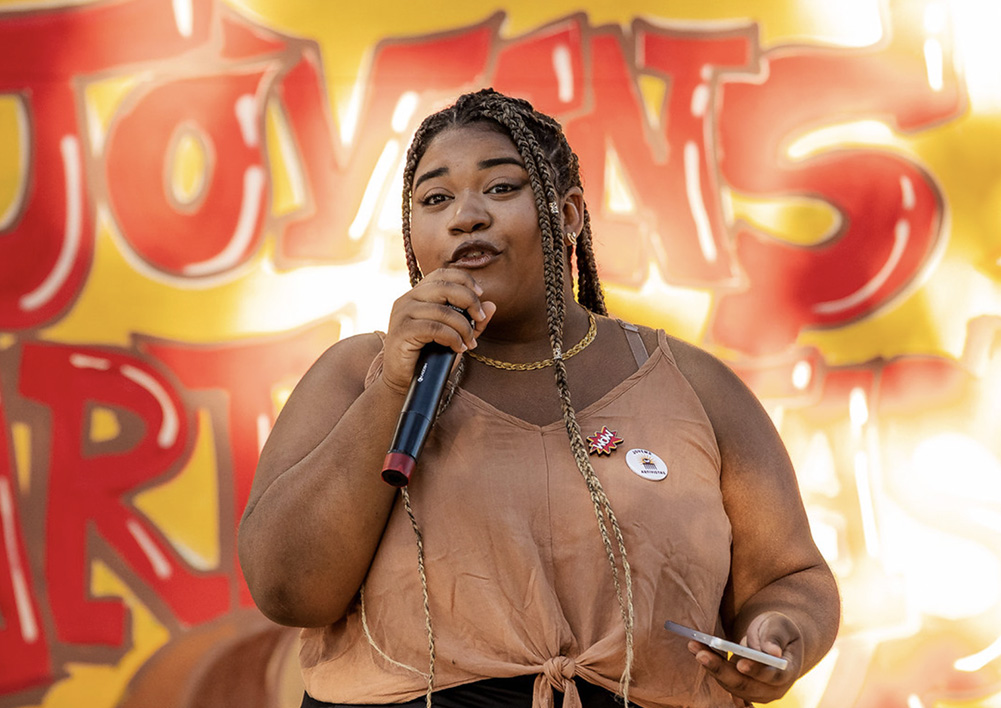
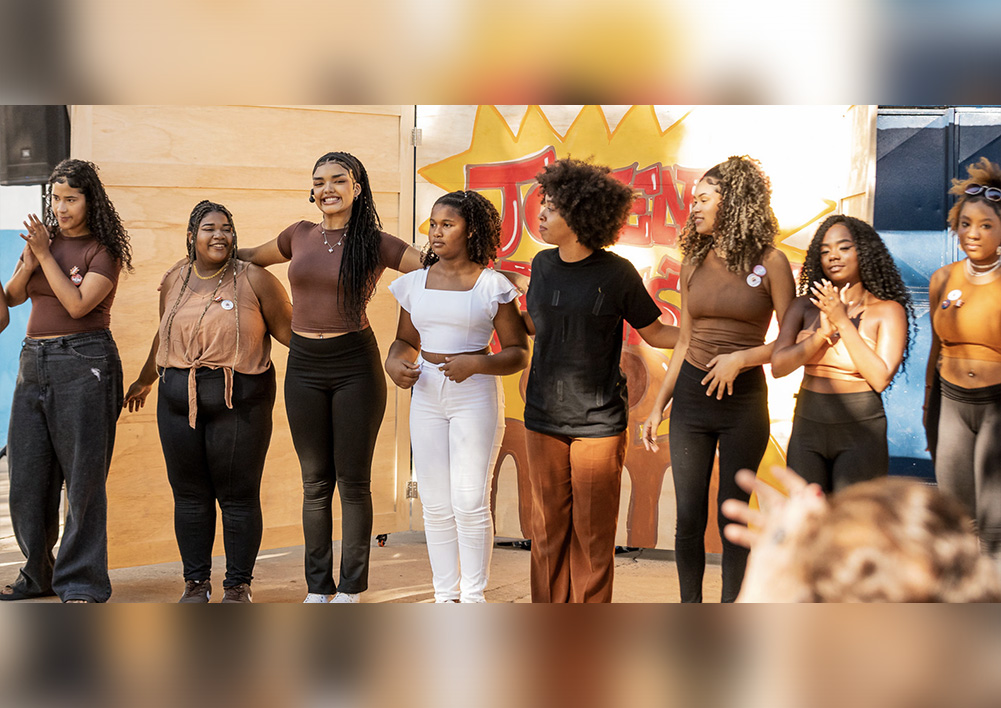
Live performance “Young Artivists”
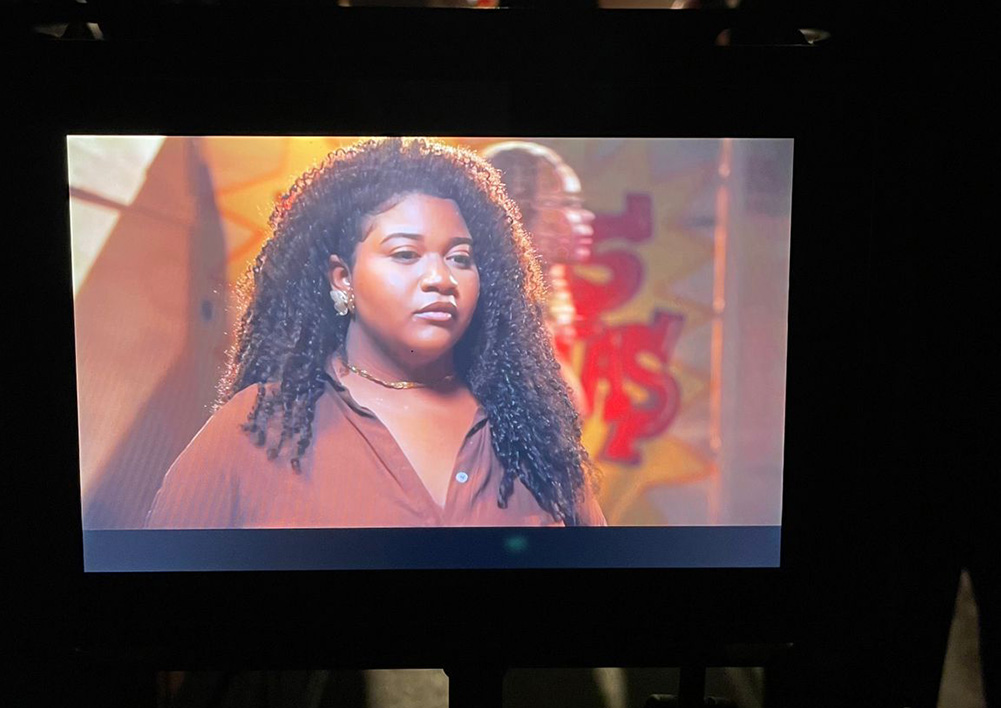
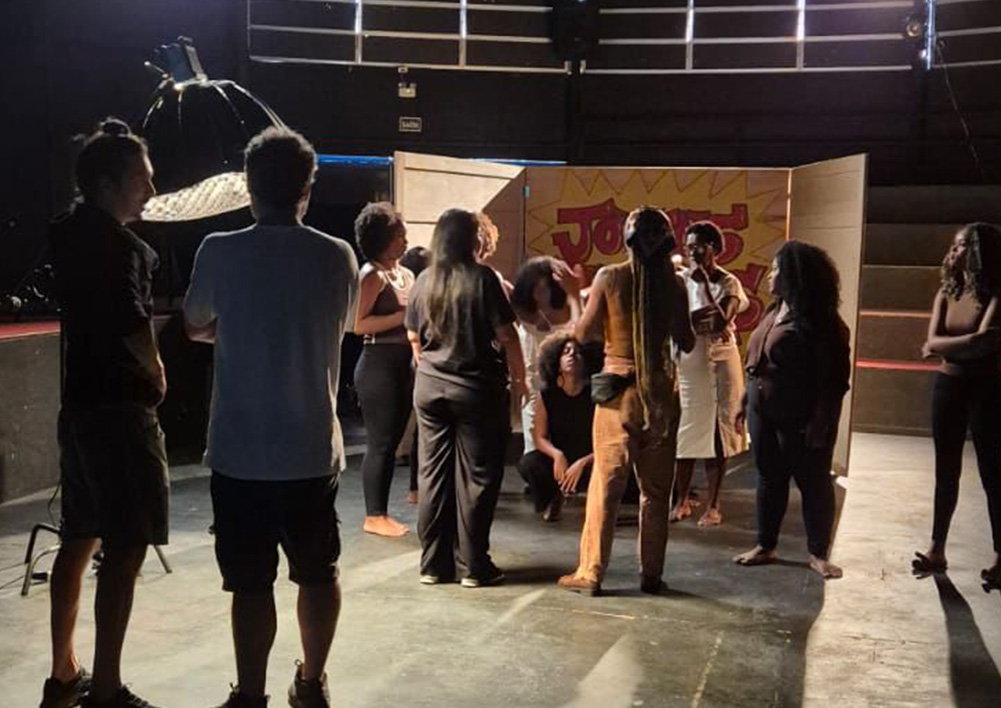
Live performance was created by young feminist artivists from Maré and Complexo do Alemão in Rio de Janeiro. Developed through a year of collective research and creative workshops, it explores how art can build agency, challenge gender-based violence, and inspire youth activism.
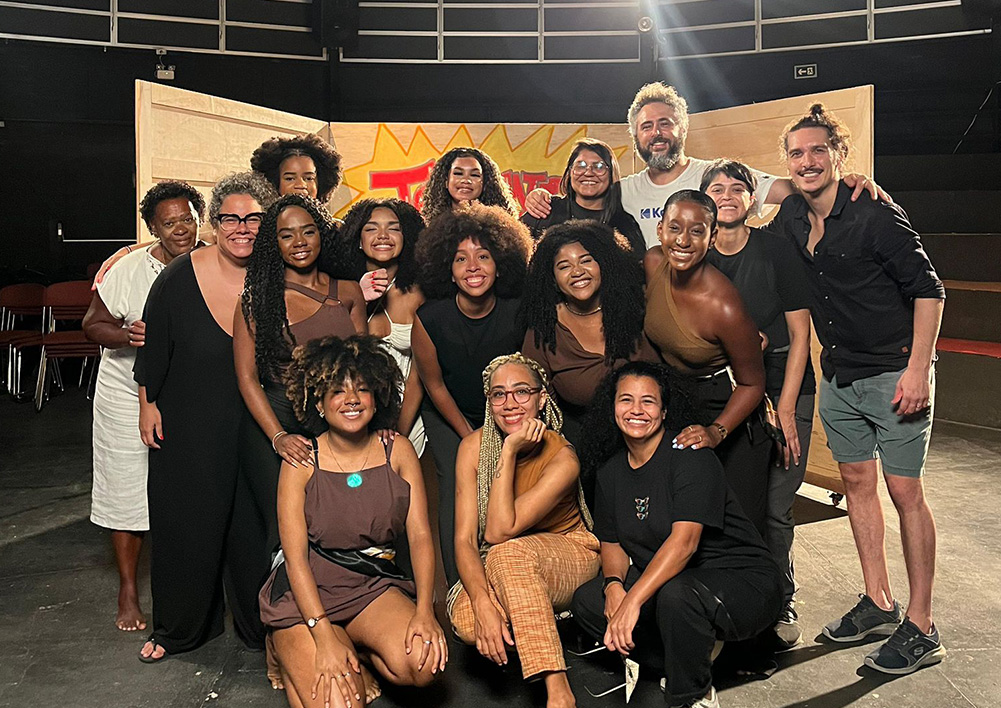
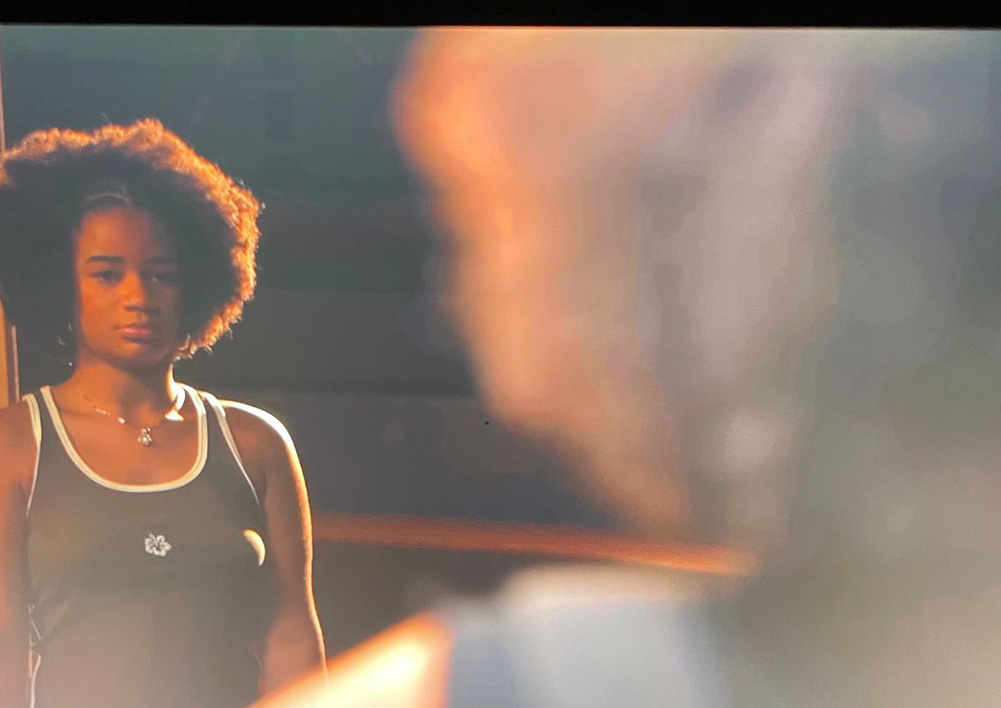
Video performance “Young Artivists”
This film is inspired by a live performance created by young feminist artivists from Maré and Complexo do Alemão in Rio de Janeiro. Developed through a year of collective research and creative workshops, it explores how art can build agency, challenge gender-based violence, and inspire youth activism.
Toolkit: Feminism and Artivism for young people (made by young women)
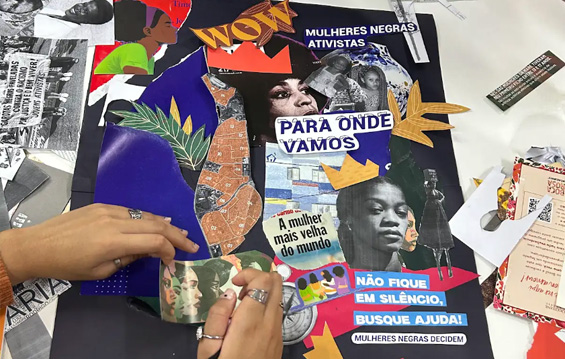
This methodological guide was created by young feminist artivists from the favelas of Maré and Complexo do Alemão, with support from local artists and facilitators, as part of the FAYB project. It offers practical, creative activities that use art to explore themes such as race, gender and territory, supporting critical reflection, collective care and social transformation.
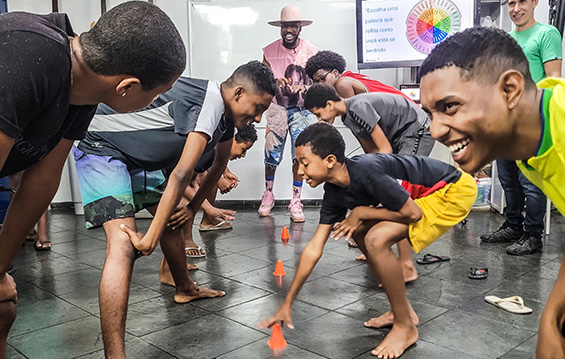
Smiling Boys creative workshops
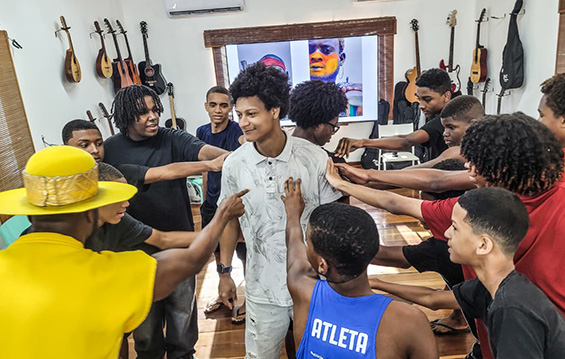
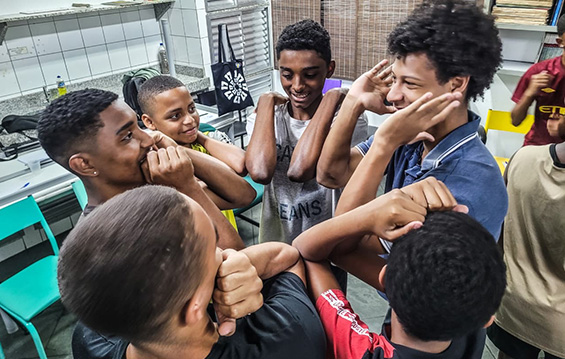
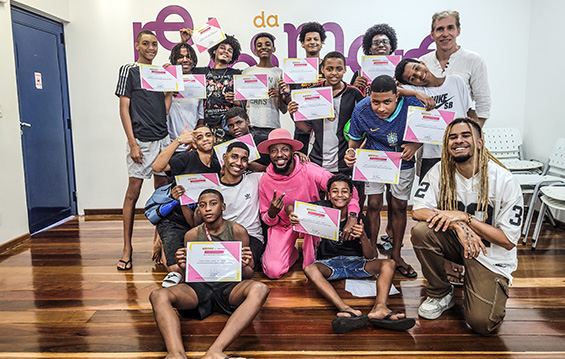
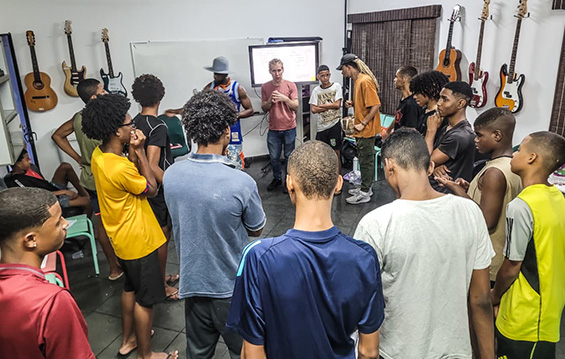
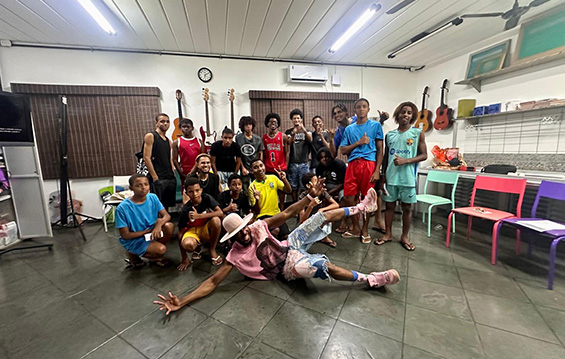
Smiling Boys is a participatory photography and poetry project created by artist Kay Rufai, centring the joy, creativity, and everyday lives of Black boys. This edition was developed in Maré, Rio de Janeiro, as part of the FAYB project, in collaboration with local artists and young participants. By placing the camera in their hands, the project challenges stereotypes and creates space for expression, care, and visibility, where each image becomes a form of resistance and possibility. Photos by Diego Reis
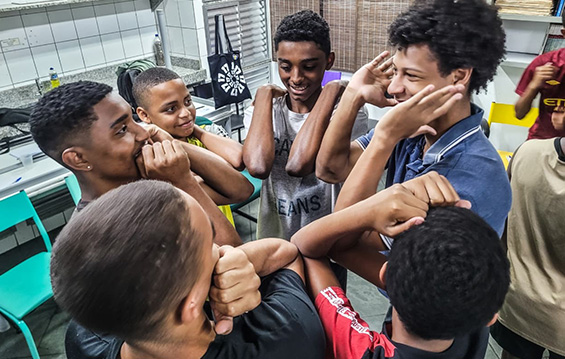
Smiling Boys Exhibition
This exhibition is showcased during the Masculinities Festival at Praça Mauá, Rio de Janeiro, in May 2026. It presents a series of images of the boys alongside photographs they capture themselves using Polaroids, offering an intimate and self-represented view of their lives. Through these visuals, the exhibition creates a space for visibility, expression, and reflection on youth, masculinity, and everyday experiences.