Transnational Perspectives on Urban Violence Against Women and Girls (VAWG) in Rio de Janeiro and London (2016-2019)
This project investigated Violence Against Women and Girls (VAWG) in Rio de Janeiro and among the Brazilian diaspora in London, addressing one of the most pressing global public health and human rights challenges. In Brazil, where 15 women are killed daily—many by intimate partners—the situation in Rio was particularly severe.
The project explored how gender-based violence operates both locally and transnationally, shedding light on its causes, consequences, and the impact on women’s health and mobility.
Carried out in Complexo da Maré, Rio’s largest conglomerate of favelas, and within London’s growing Brazilian community, the research combined social science, arts, and community engagement. The findings have deepened understanding of VAWG across borders, influenced policy conversations in both Brazil and the UK, and demonstrated the power of interdisciplinary, community-based research to address urban violence and promote healthier, more equitable cities.
Research Methods:
- In depth interviews
- Survey
- Focus groups
- Mapping of local resources and services
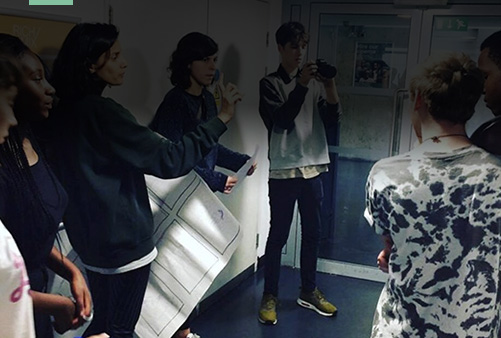
- Participatory workshops
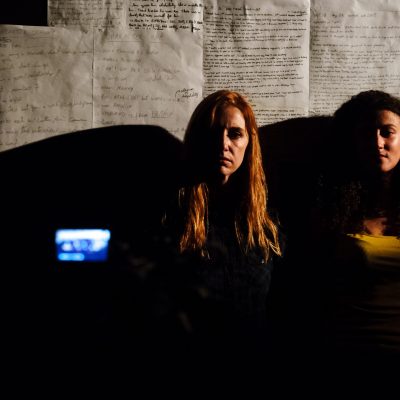
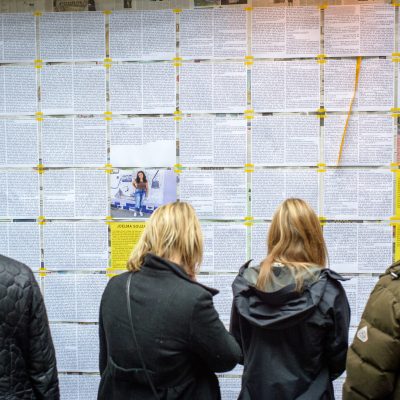
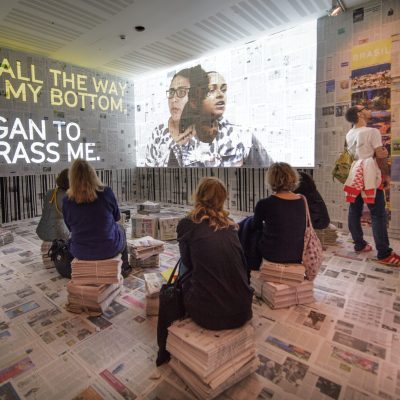
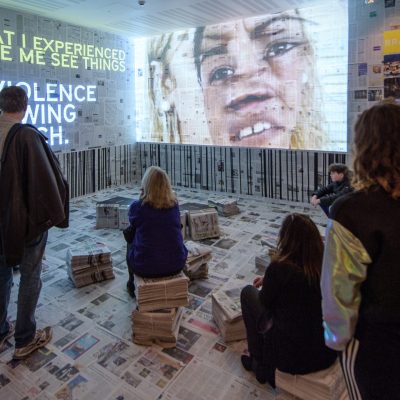
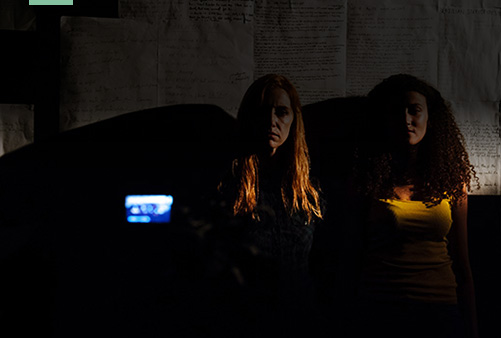
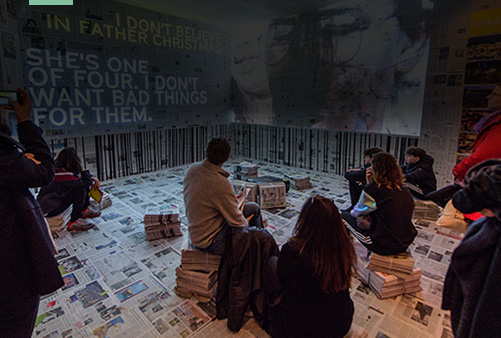
- Verbatim theatre
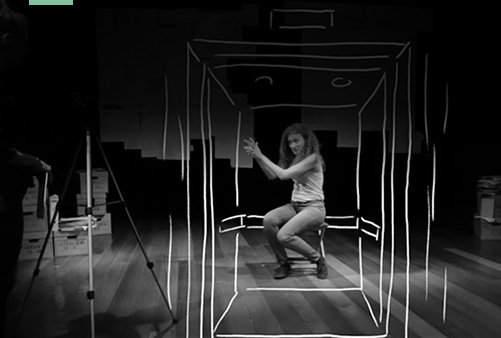
- Film

Key Findings
Findings from the “Violence against women at Favelas da Maré, Rio de Janeiro” report.
Perception vs. disclosure
76% believe violence against women occurs in Maré, yet only 28% self-reported having experienced it; when anonymously prompted, 38% acknowledged personal victimisation
Prevalence & types of violence
51% experienced physical violence; 42% reported psychological/emotional abuse; 7% reported sexual violence
Perpetrators & settings
About one-third of violence came from intimate partners; remaining incidents involved colleagues, bosses, friends, family—only 15% by strangers
Trans-scalar violence context
Link between domestic and public violence—women are affected both inside homes and by urban violence (e.g. police, armed groups) in public spaces
Intersectional disparities
Black women most vulnerable: later studies reported 69% of Black women versus 55% of mixed-race and 50% of white women experienced gender-based violence
Coping & resistance practices
Women employ day-to-day strategies: silence, routine change, moving homes, and using protective networks—collective support emerged through community spaces and women’s networks
Stigma & informal reporting
Only 52% disclosed violence informally; a mere 2.5% reported to formal authorities like police
Impact of urban violence on women
Women are psychologically affected by police incursions, crossfire, and general climate of fear; mental health consequences include stress, anxiety, and depression
Resistance is embodied & community-based
Embodied acts include refusing silence, changing mobility, bodily presence in public, and caring for one another; emotional–political communities formed via collective spaces
Recommendations
Provide police/judicial training to prevent re-victimisation; expand hybrid (in-person/online) support services; create collective safe spaces; enable financial autonomy (e.g. micro-credit); invest in community-driven ancestry and dignity initiatives; support rights/education; develop warning apps on danger zones
Key Findings
Findings from the “We Can’t Fight in the Dark” report on Violence Against Women and Girls (VAWG) among Brazilian women in London.
82% of respondents experienced GBV in their lifetimes (vs ~33% globally)
48% reported GBV occurring within the UK
Types of violence experienced in London
Emotional/psychological (48%) was most common
Physical violence (38%), sexual violence (14%)
Unwanted physical contact (42%), assaults (36%), humiliation/discrimination (33%)
Settings and perpetrators
Two-thirds of violence was by acquaintances; ~25% intimate partners; workplace perpetrators (including employers/colleagues) accounted for over a quarter
Majority (78%) occurred in public or work spaces
Intersectional vulnerability
Women of mixed race reported higher rates (63–64%) than white women (44%)
Insecure immigration status exacerbated risk and hindered help-seeking
Transnational continuities
77% had experienced GBV in Brazil pre-migration; over half of those faced repeated violence in London
Under-reporting and barriers to seeking help
56% never formally reported incidents in London
Main barriers: fear of deportation, shame, lack of awareness, belief nothing would result
Reporting to police often led to poor or negative experiences, especially for those with insecure status
Severity and diversity of domestic violence
Cases included severe physical (broken bones, weapons, rape) and emotional abuse (coercive control, financial manipulation)
Socio-demographic risk factors
In London: heightened risk for women in their 40s, long-term residents (10–20 years), postgraduates, mixed-race, separated/divorced, service-sector workers, and those financially independent
Recommendations for response and prevention
Safe, confidential reporting (in migrant languages, with a firewall from immigration enforcement)
Training & awareness for agencies on migrant-specific VAWG, including non-physical abuse
Extend public funds access for migrant survivors; safeguard data; fund specialist services and refuges
Prevention and education, including school-based programs and Portuguese-language campaigns
Strong inter-agency collaboration to implement Istanbul Convention, Victims’ Directive, and Domestic Abuse Bill protections

Publications
Go to Publications Archive
Partners
London (UK)
- King’s College London
- People’s Palace Projects
- Queen Mary University of London
- Latin American Women’s Rights Service
- CASA Latin American Theatre Festival
Rio de Janeiro (Brazil)
- Redes da Maré
- Federal University of Rio de Janeiro (Department of Social Service)
- Casa Rio (People’s Palace Projects)
Funder
- Economic and Social Research Council/The Newton Fund